-
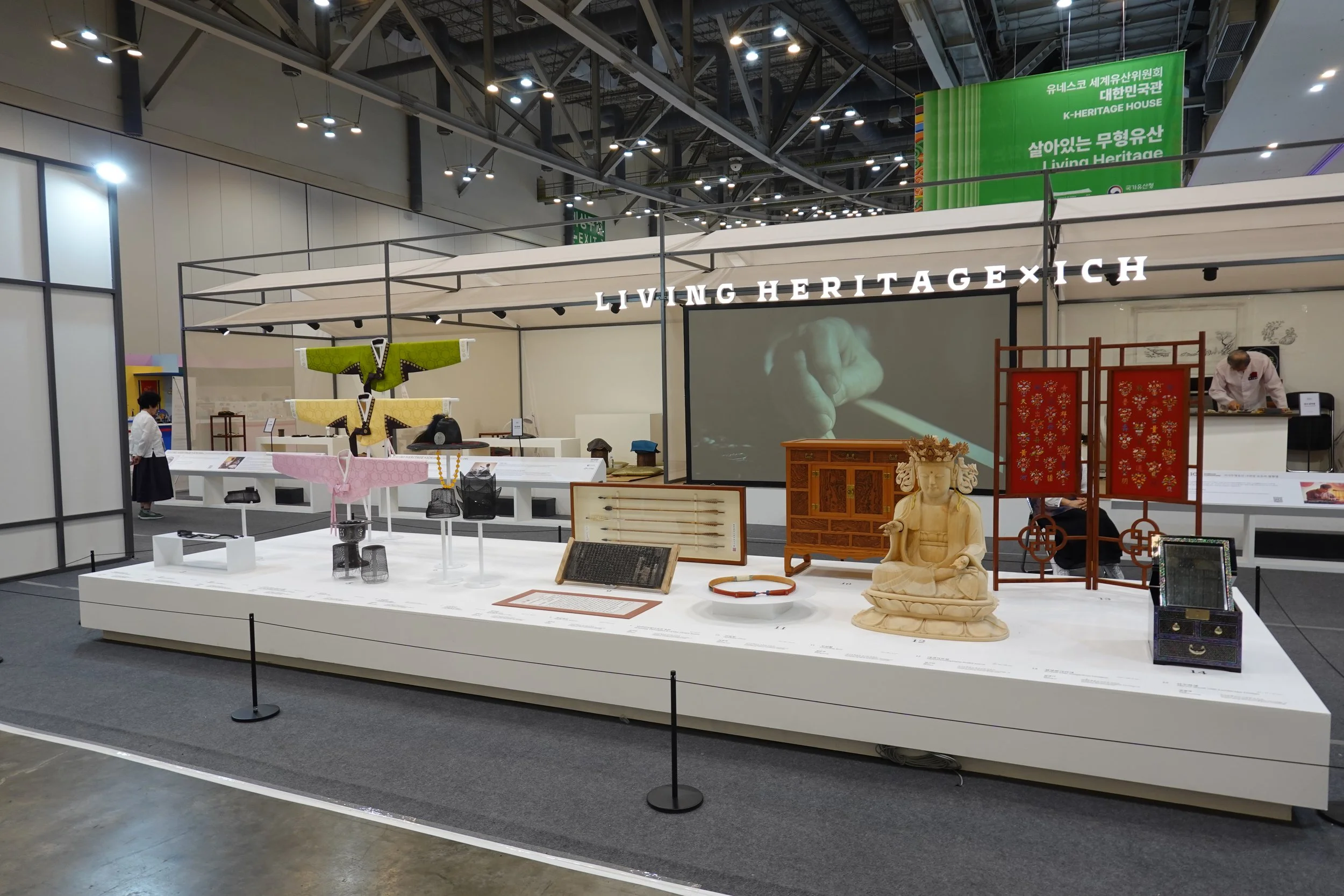
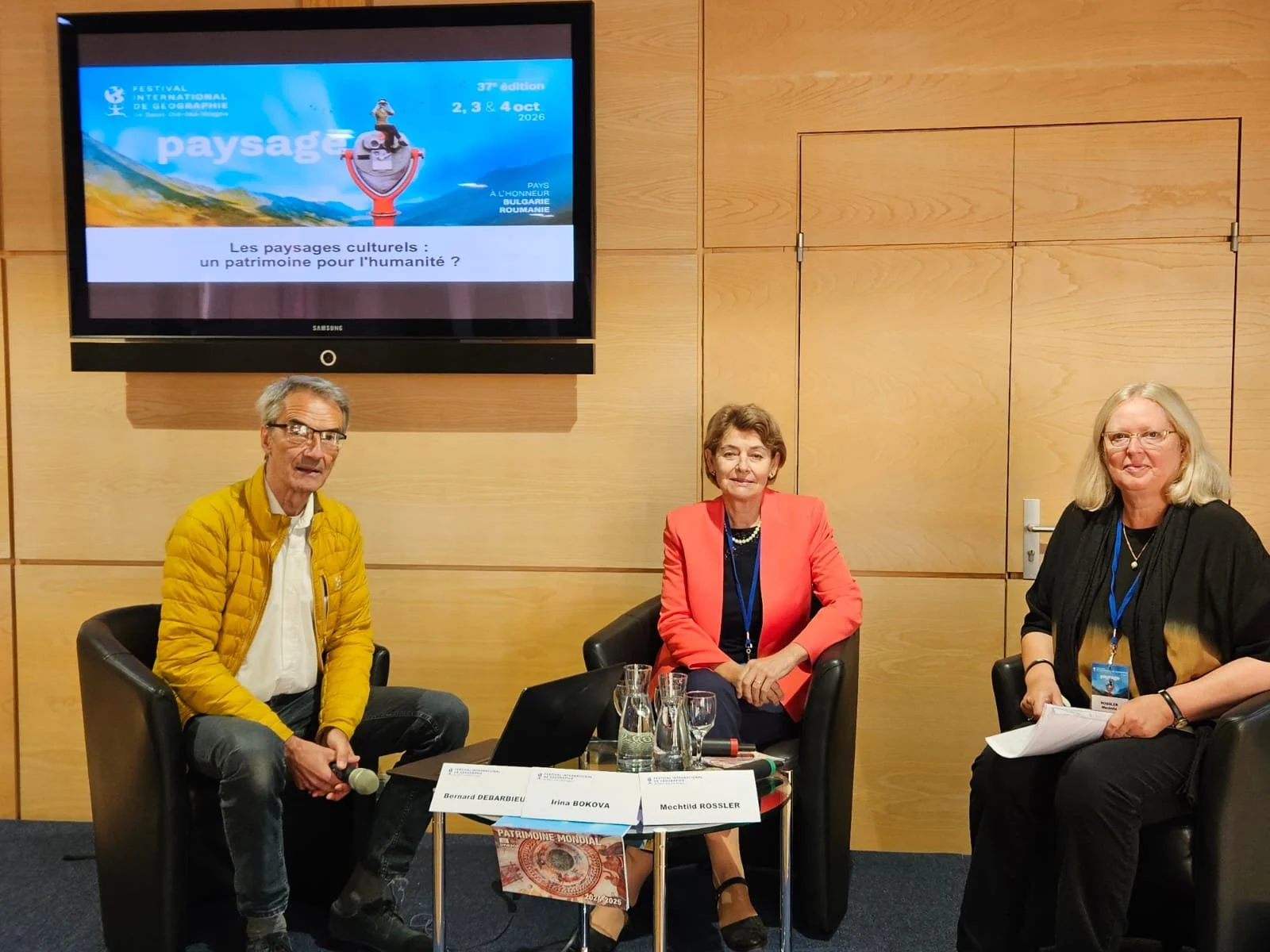
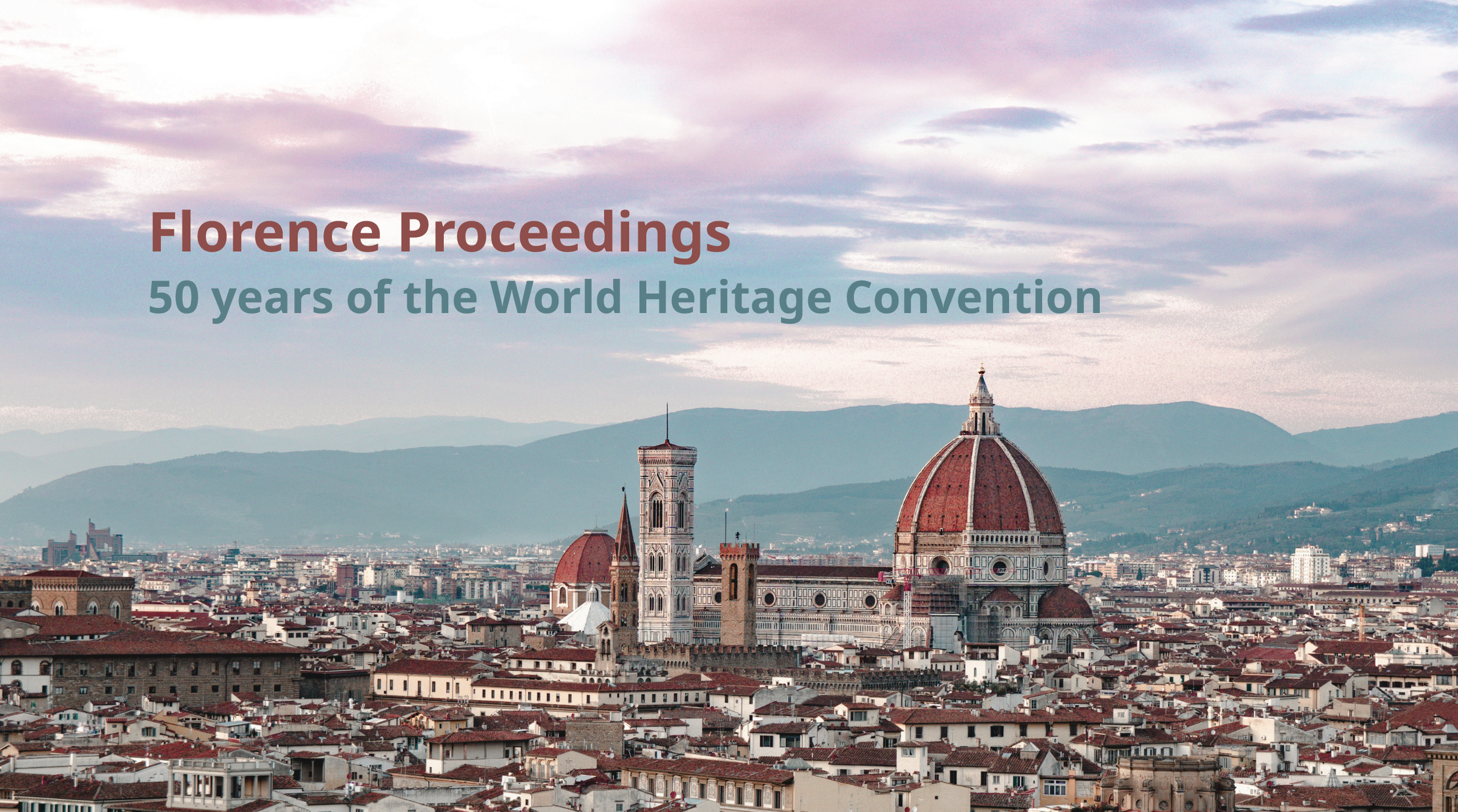
Reflections from Florence: World Heritage at a Turning Point — Governance, Civil Society, and the Next 50 Years
-
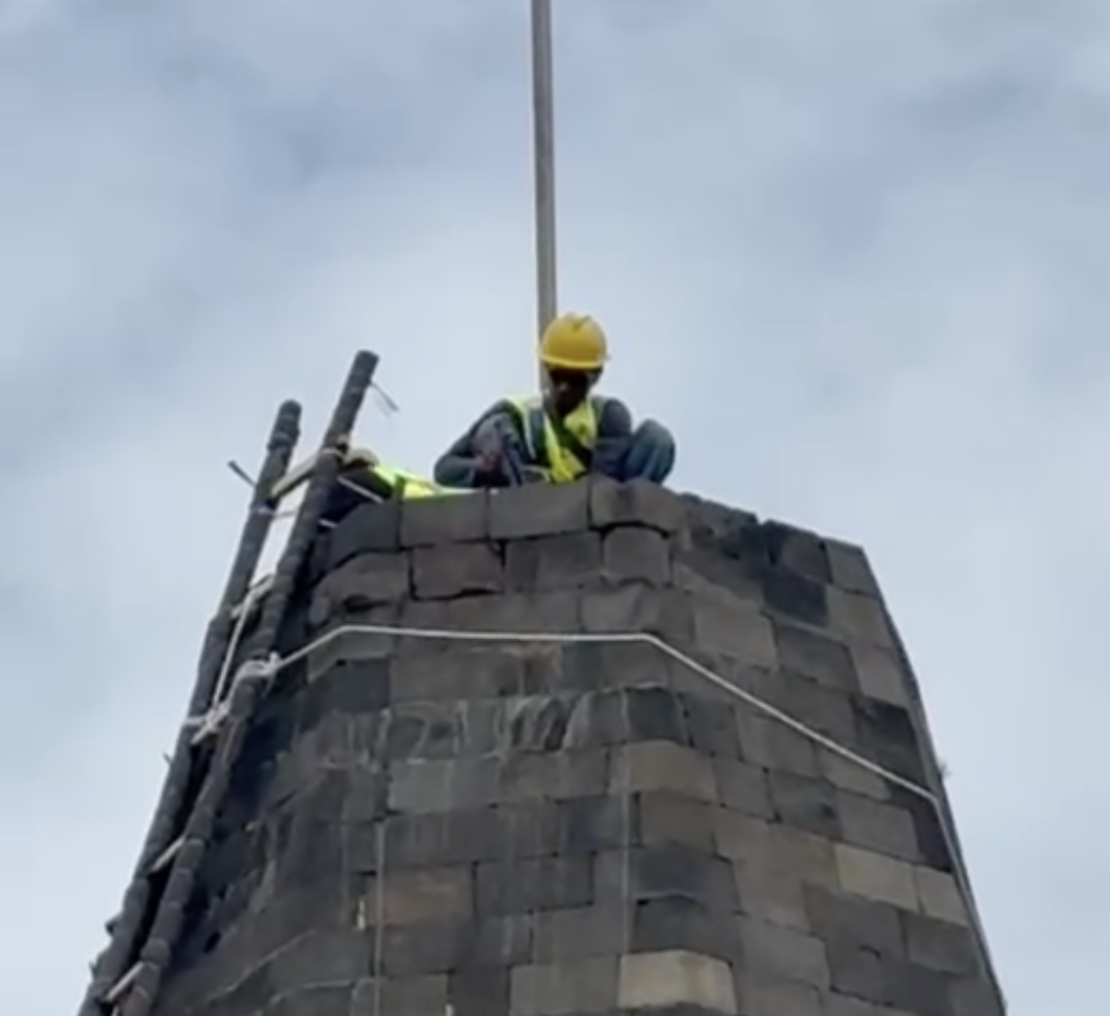
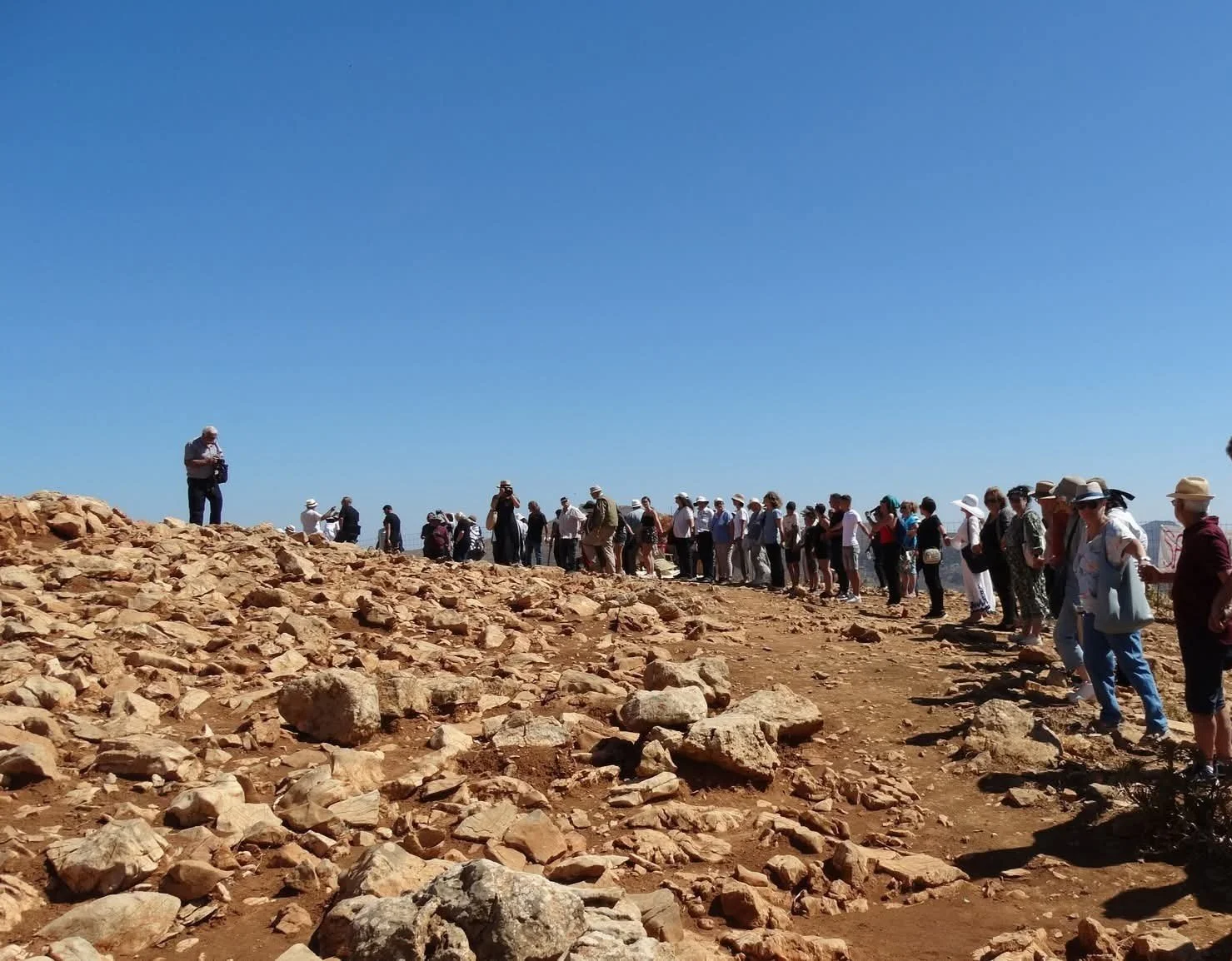
International Support Needed: Save Papoura Hill Archaeological Monument and Landscape
-
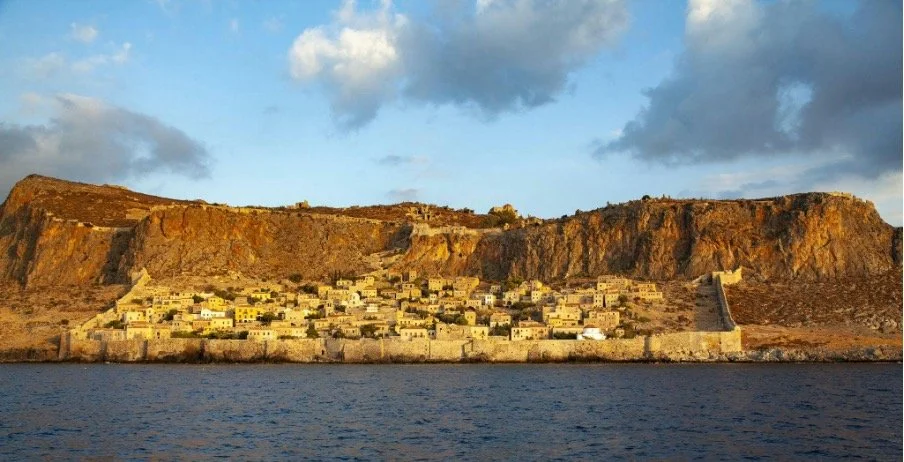
Make it official! World Heritage guidelines for sites of recent conflicts
-
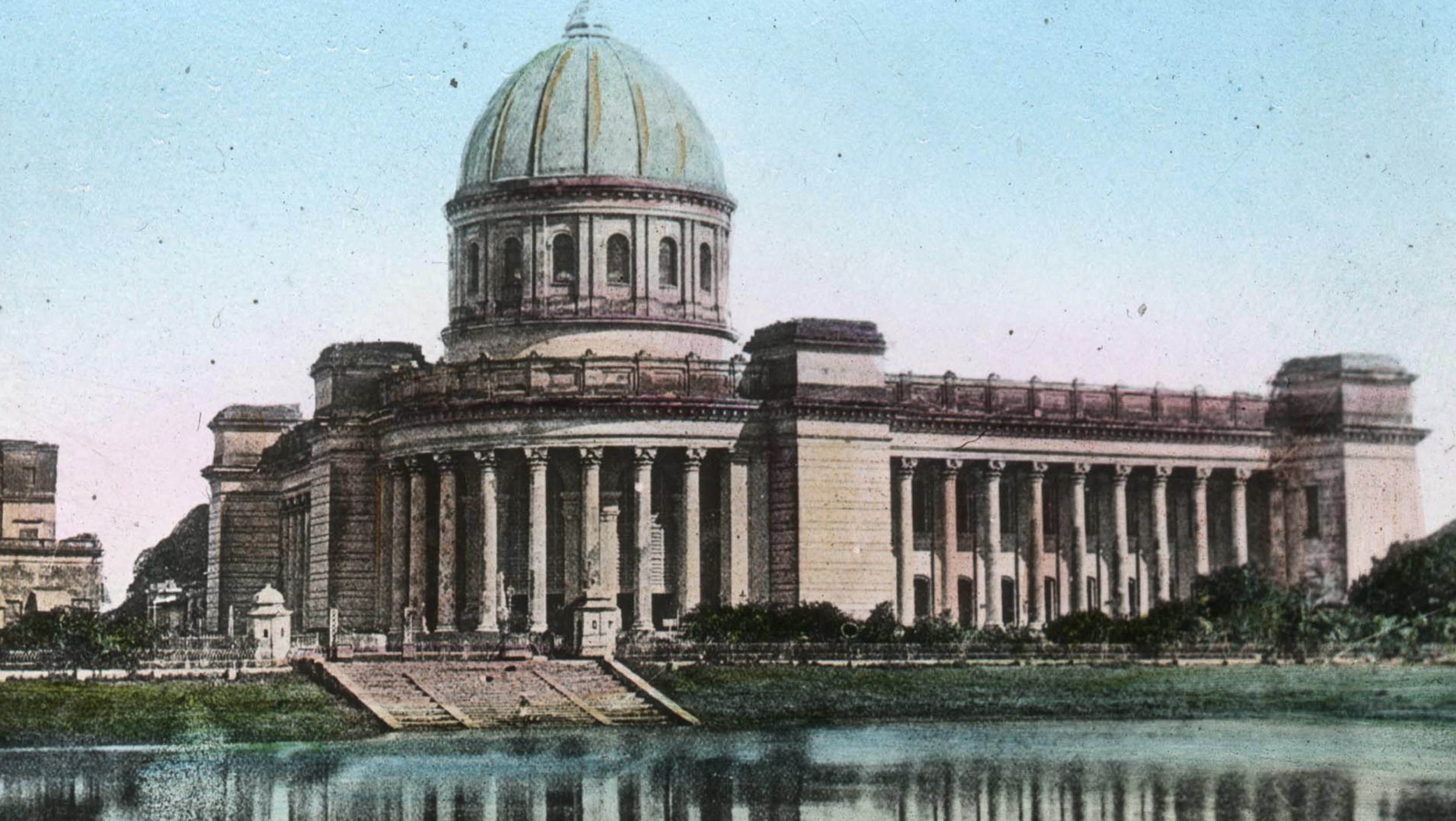
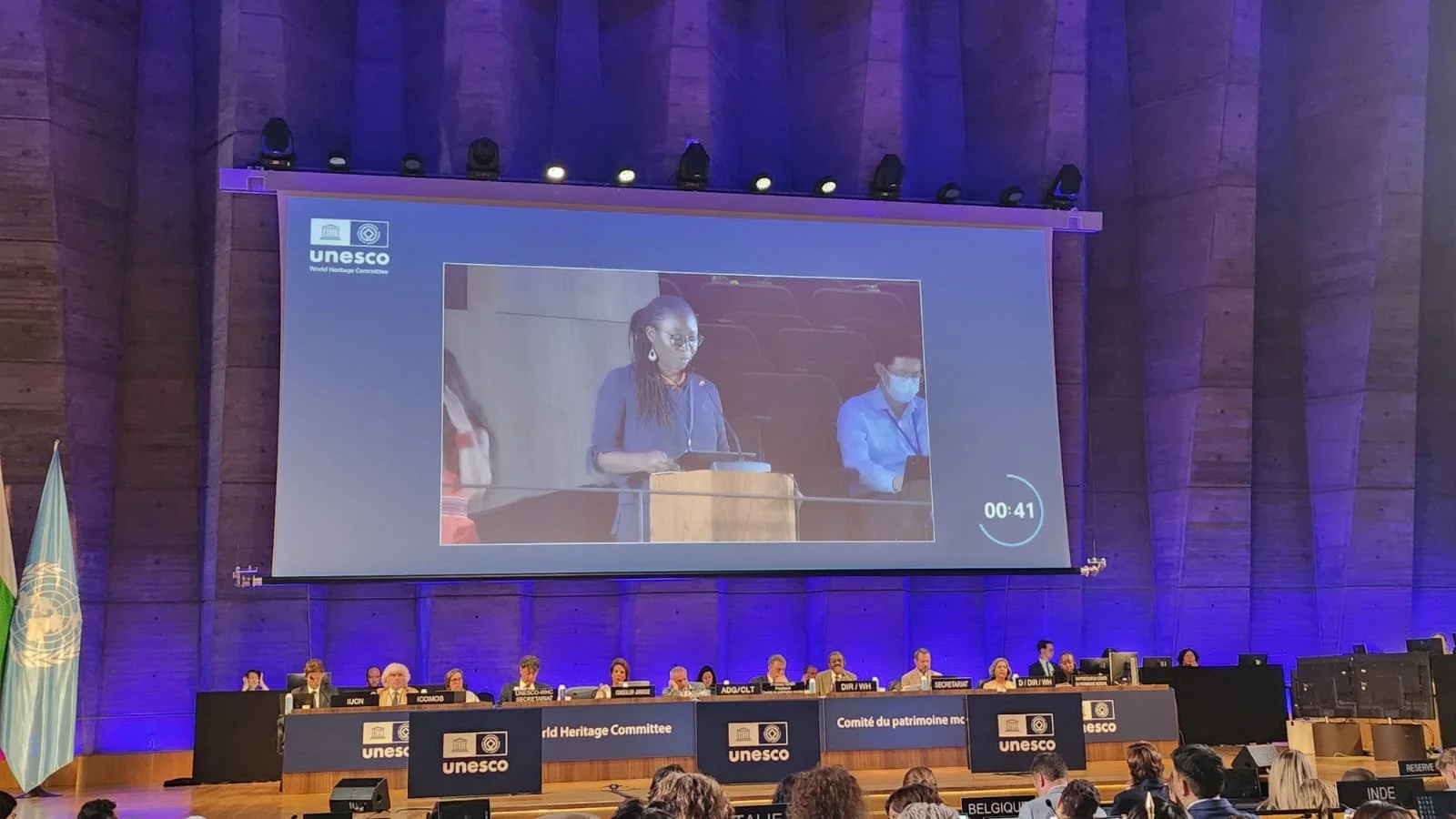
OWH statement at the 47th UNESCO World Heritage Committee
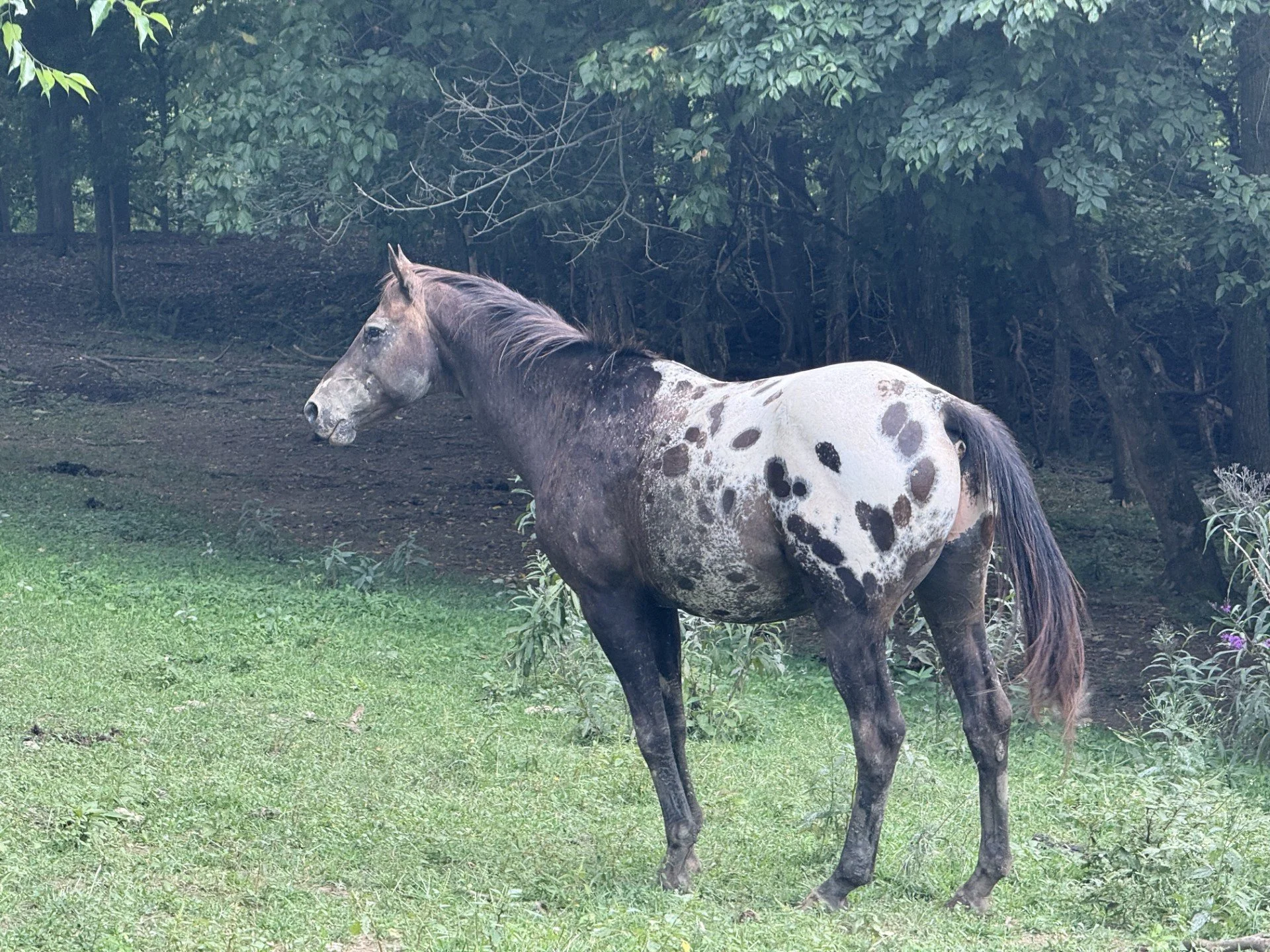
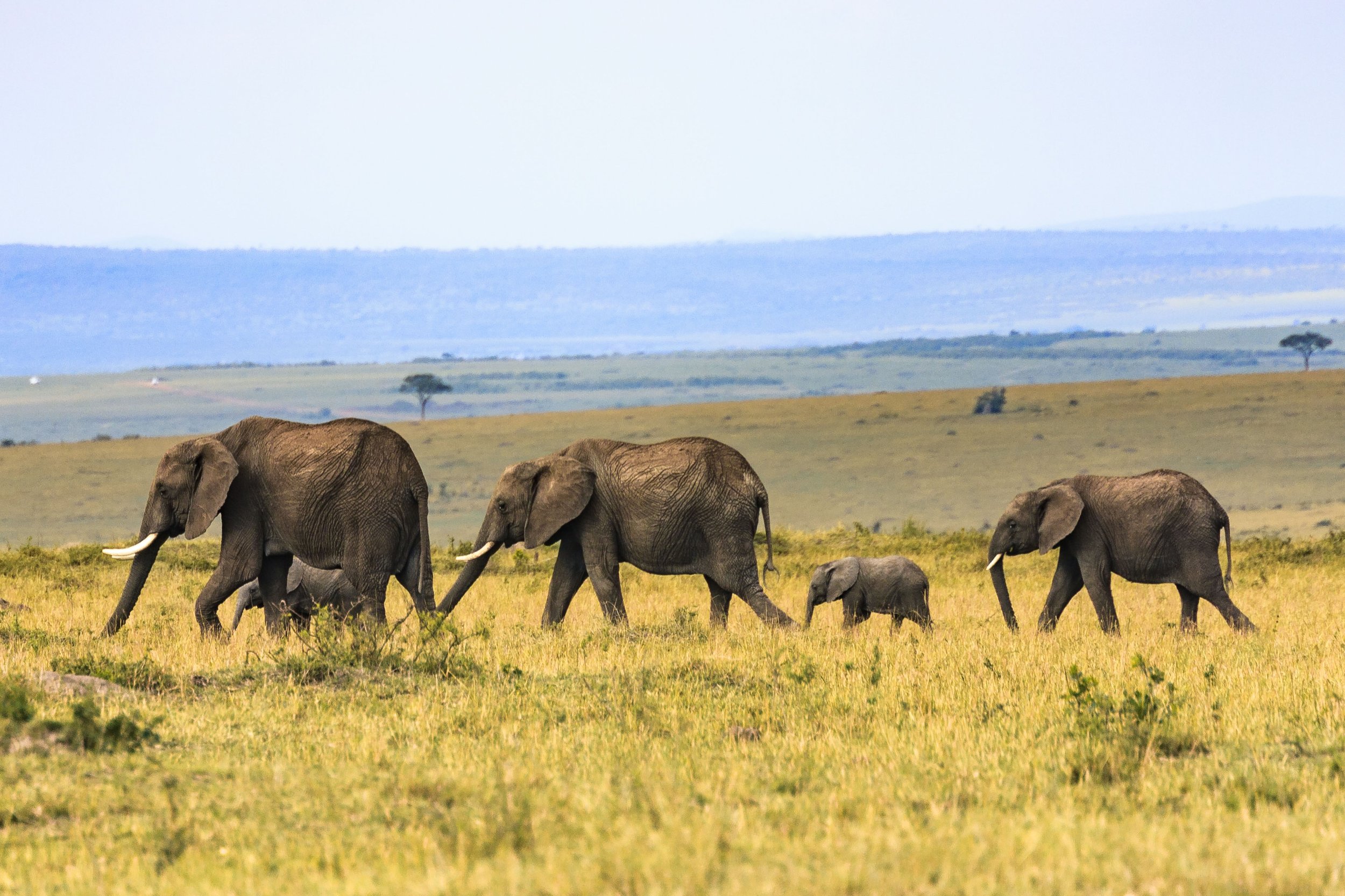
Domestic animals, shaped by millennia of human activity, are living historical sources deserving heritage protection, yet breeds vanish daily under industrialization. Organizations like WHAGR, protecting the Bronze Age Celestial Horse, conserve breeds within their landscapes, since animals, plants, people, and monuments form one inseparable heritage complex.
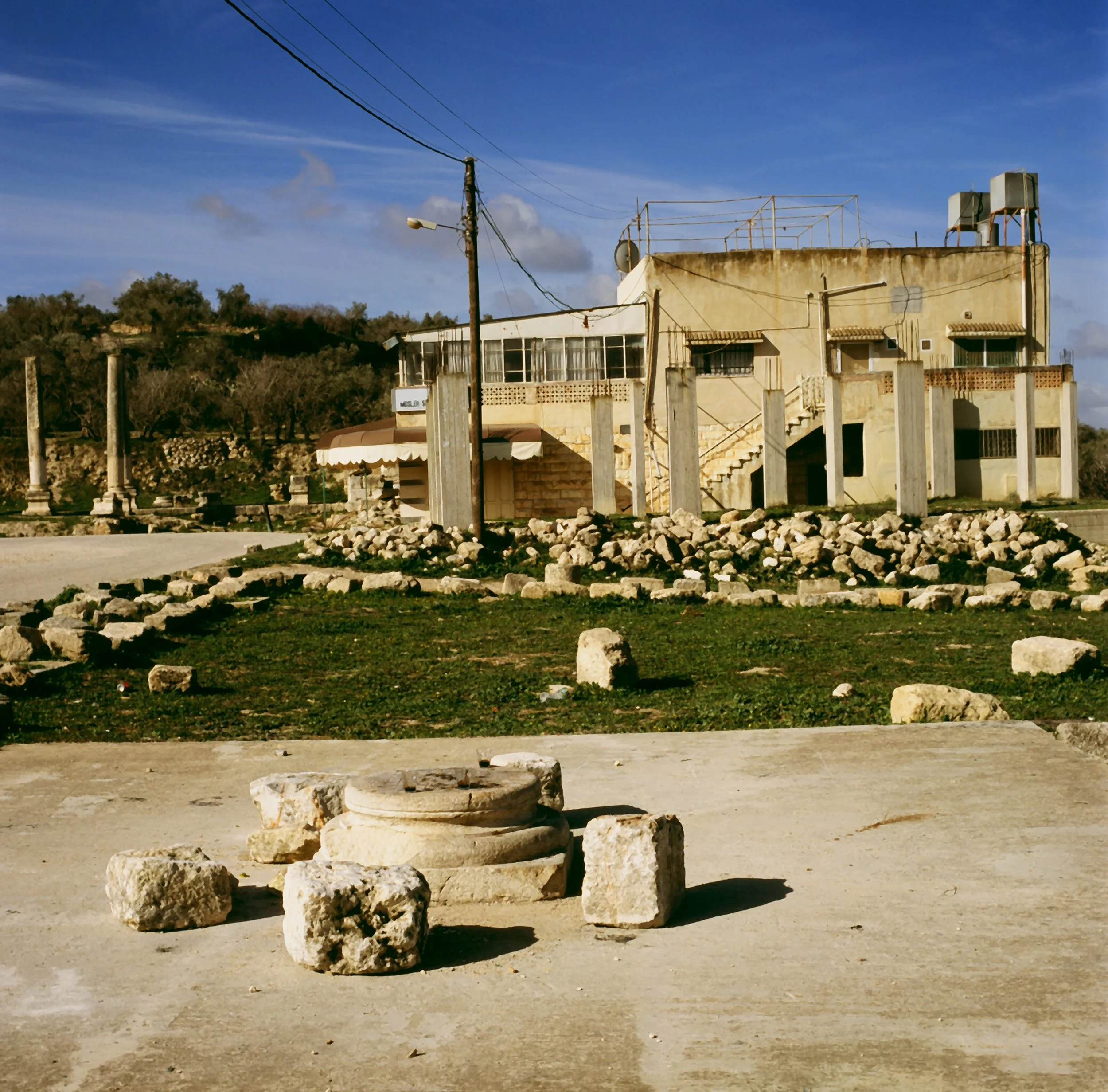
Since October 2023, Palestine’s cultural heritage has suffered unprecedented attacks. In Gaza, bombardments destroyed most heritage sites, though volunteers are now restoring the Great Omari Mosque and rescuing manuscripts. In the West Bank, settler violence, olive tree destruction, and land confiscation near Sebastia threaten sites. UNESCO listed Sebastia in July 2026.
FOPCHEN with the UNESCO’s World Heritage Centre Africa Unit held expert meetings in Busan, Lagos, on 25 July 2026. They launched Modern Heritage of Africa initiative (MoHoA) to recognize Africa’s modern heritage as plural “African modernities”, expanding archives, linking conservation to climate-conscious reuse, and prioritizing community-led documentation and protection.
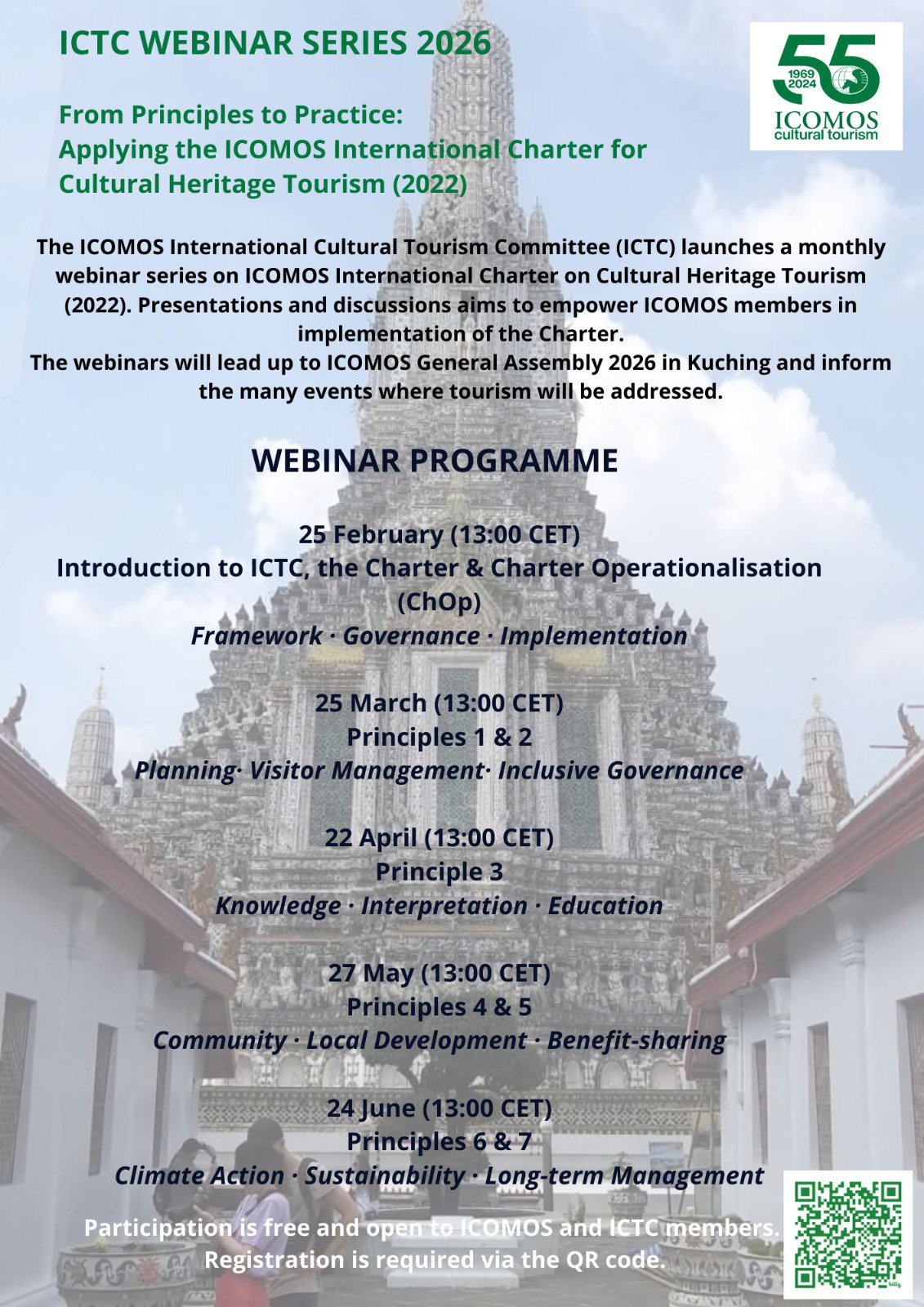
New webinars and a collaborative online dossier launched to support the ICOMOS Charter on Cultural Heritage Tourism: From Principles to Practice
OWH welcomes UNESCO’s adoption of “Guiding Principles for sites of memory associated with recent conflicts” in its Operational Guidelines.
OurWorldHeritage and FOPCHEN urge integrating memory-site Guiding Principles into UNESCO guidelines, ensuring accuracy, stakeholder inclusion, reconciliation, and community collaboration.
OurWorldHeritage welcomes the 2026 Busan Declaration, introducing Collaboration as the sixth strategic objective, strengthening global heritage cooperation and connecting local heritage with worldwide conversations.
In Libya's UNESCO World Heritage Site of Ghadamès, the MaLiCH programme integrated the women's Zanjafoor wall art tradition into the rehabilitation of the Visitor Centre, supporting local craftswomen through training, paid commissions, and community-led heritage preservation.
OTHER ANNOUNCEMENTS
Domestic animals, shaped by millennia of human activity, are living historical sources deserving heritage protection, yet breeds vanish daily under industrialization. Organizations like WHAGR, protecting the Bronze Age Celestial Horse, conserve breeds within their landscapes, since animals, plants, people, and monuments form one inseparable heritage complex.
Since October 2023, Palestine’s cultural heritage has suffered unprecedented attacks. In Gaza, bombardments destroyed most heritage sites, though volunteers are now restoring the Great Omari Mosque and rescuing manuscripts. In the West Bank, settler violence, olive tree destruction, and land confiscation near Sebastia threaten sites. UNESCO listed Sebastia in July 2026.
FOPCHEN with the UNESCO’s World Heritage Centre Africa Unit held expert meetings in Busan, Lagos, on 25 July 2026. They launched Modern Heritage of Africa initiative (MoHoA) to recognize Africa’s modern heritage as plural “African modernities”, expanding archives, linking conservation to climate-conscious reuse, and prioritizing community-led documentation and protection.
New webinars and a collaborative online dossier launched to support the ICOMOS Charter on Cultural Heritage Tourism: From Principles to Practice
OWH welcomes UNESCO’s adoption of “Guiding Principles for sites of memory associated with recent conflicts” in its Operational Guidelines.
OurWorldHeritage and FOPCHEN urge integrating memory-site Guiding Principles into UNESCO guidelines, ensuring accuracy, stakeholder inclusion, reconciliation, and community collaboration.
OurWorldHeritage welcomes the 2026 Busan Declaration, introducing Collaboration as the sixth strategic objective, strengthening global heritage cooperation and connecting local heritage with worldwide conversations.
In Libya's UNESCO World Heritage Site of Ghadamès, the MaLiCH programme integrated the women's Zanjafoor wall art tradition into the rehabilitation of the Visitor Centre, supporting local craftswomen through training, paid commissions, and community-led heritage preservation.
PUBLICATIONS
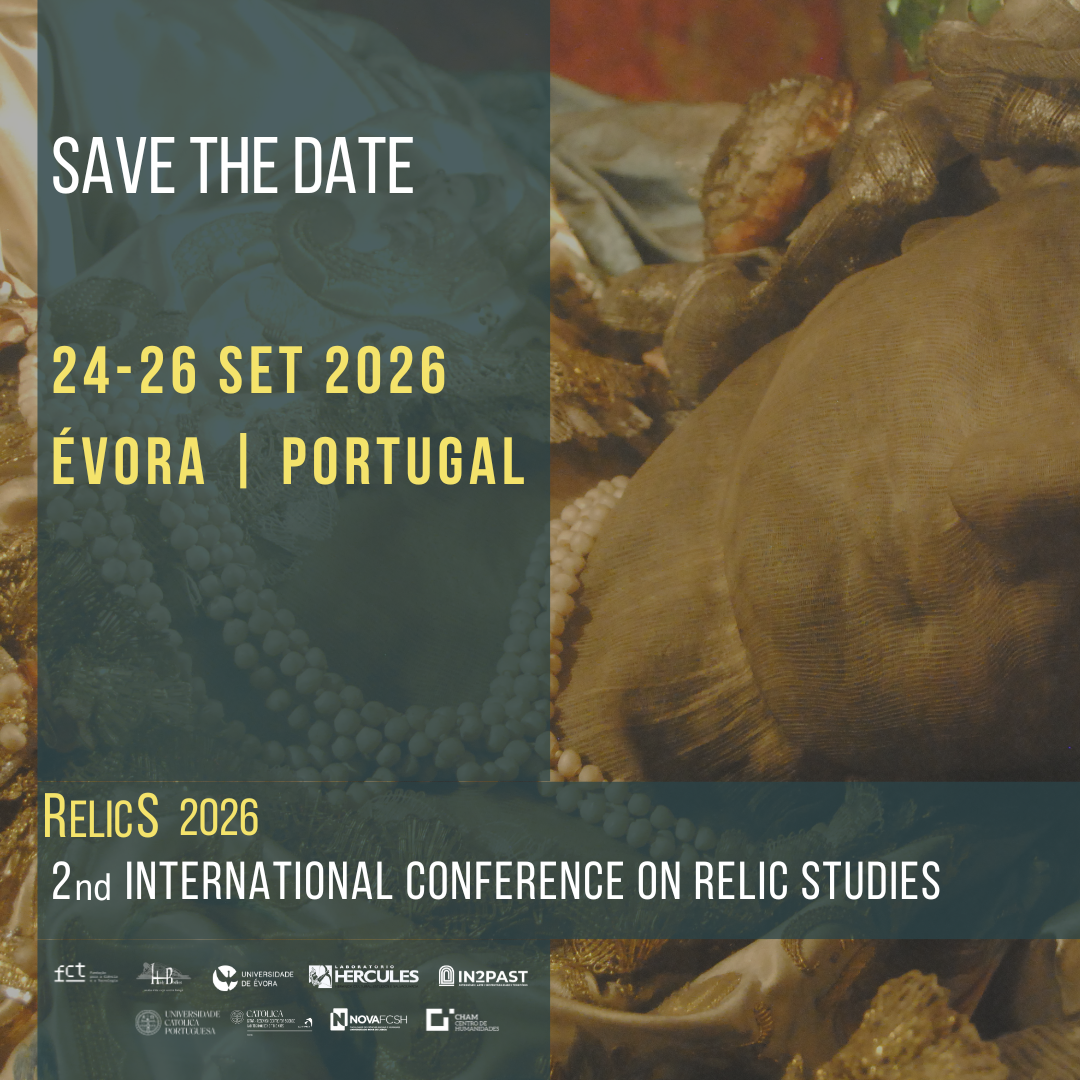
The 2nd International Conference of RelicS Studies will take place from 24 to 26 September 2026 at the University of Évora, Portugal, within the framework of the research project Holy Bodies.
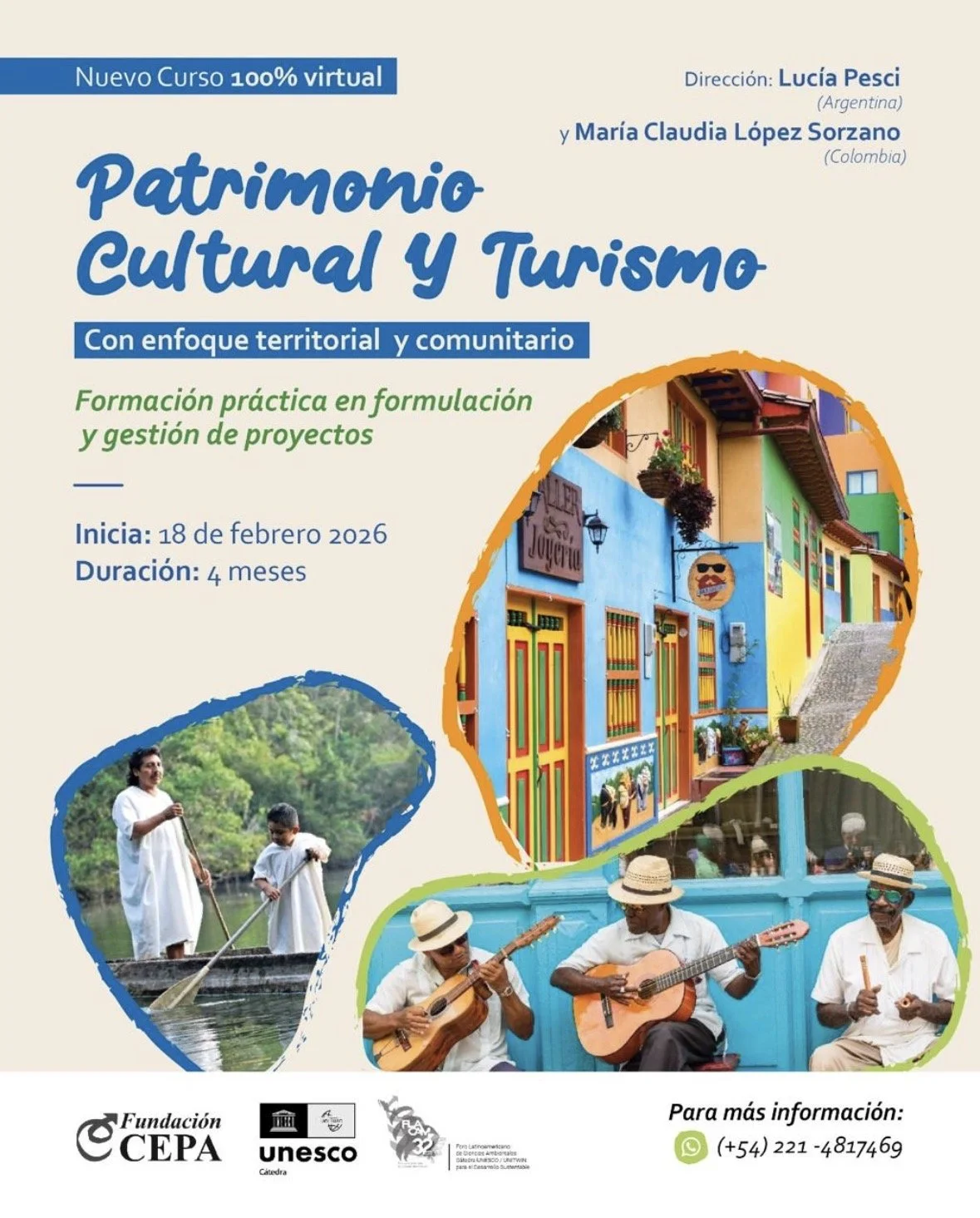
Cultural Heritage, Tourism, and Territory is an international online course taught in Spanish, focused on the design and management of projects with territorial impact. The course is organised by FLACAM and Fundación CEPA.
Athabasca University and Parks Canada developed a 14 weeks course on World Heritage Resource Management starting in January. The course explores the fundamental concepts and procedures used to identify, protect, and conserve World Heritage sites.
George Town World Heritage Incorporated (GTWHI) advertises an Intensive and Pragmatic internship training on World Heritage Site Management for graduate program students or recent holder.
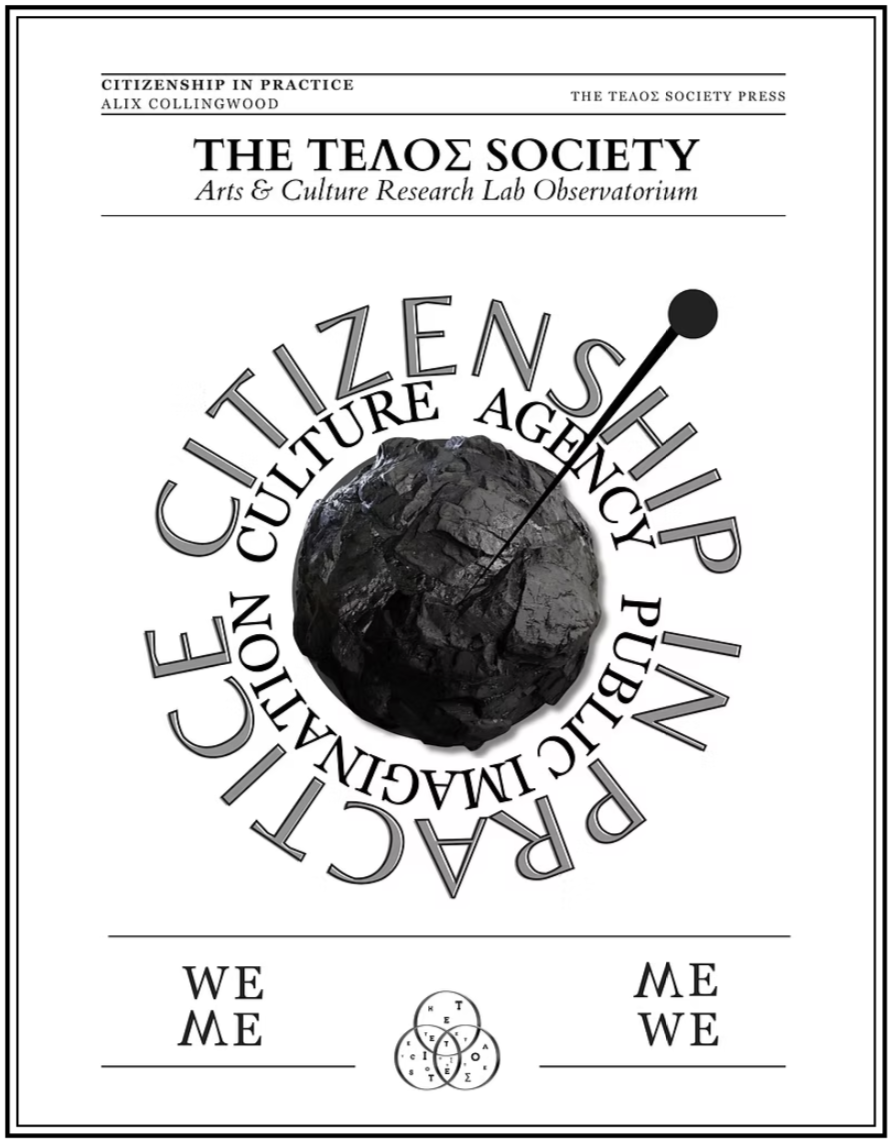
Citizenship in Practice: Culture, Agency & Public Imagination explores citizenship as a lived cultural practice. The inaugural issue features a conversation with Alix Collingwood, highlighting the transformative role of cultural agency in creating more inclusive and imaginative civic futures through reflections on grassroots initiatives and collaborative practice.
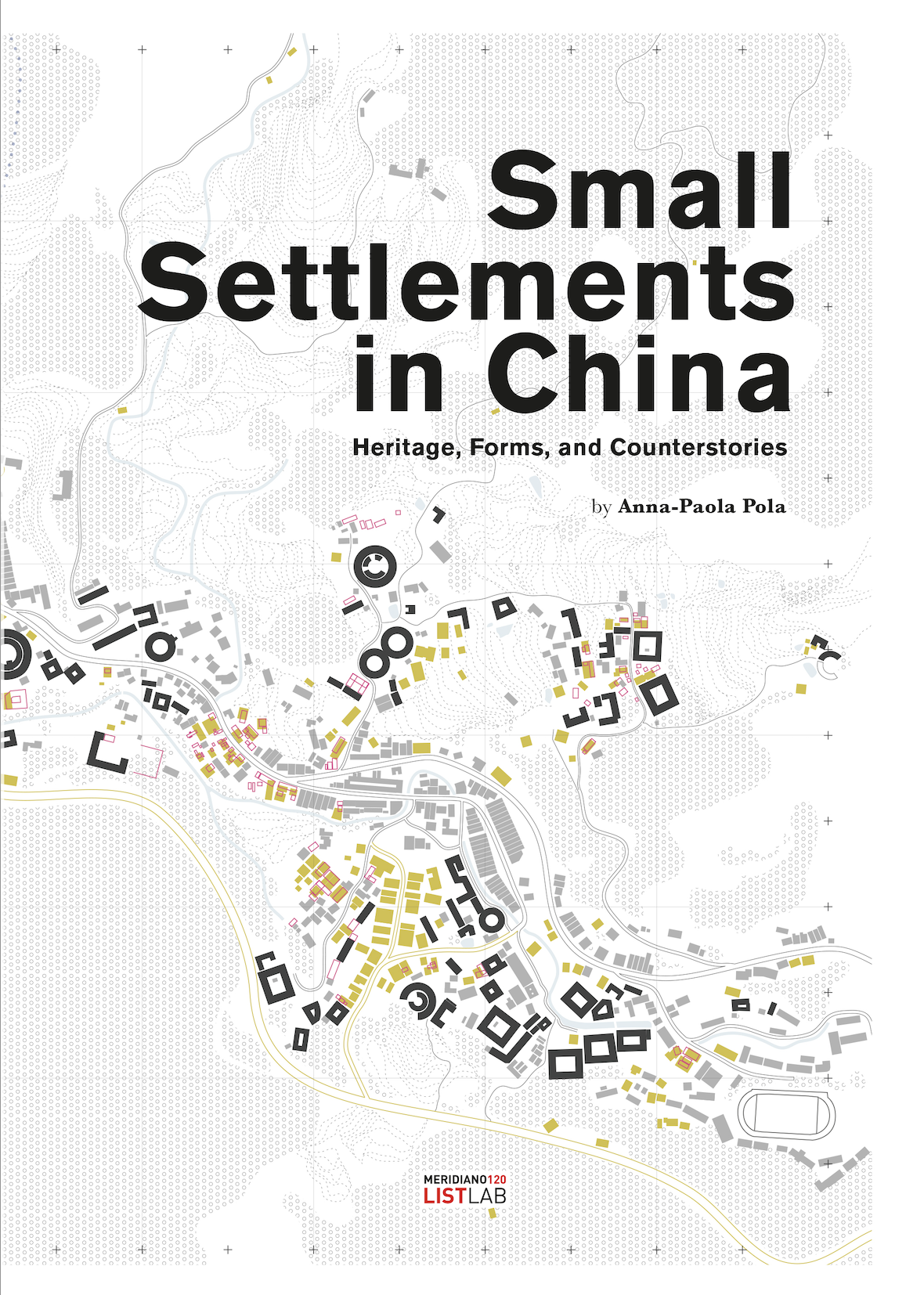
Small Settlements in China: Heritage, Forms, and Counterstories examines the rediscovery and transformation of China’s historic villages, revealing how policies and planning have reshaped rural landscapes over the past twenty years.
Harnessing Horses is a new open-access book that explores human–horse relationships across time and place, closed by a chapter that calls to recognise traditional horse breeds as living cultural heritage.
How has the expanded concept of authenticity in the Nara Document on Authenticity (1994) shaped conservation and restoration worldwide?
Moving African Landscapes Vol. 1 is a pioneering interdisciplinary exploration of African landscapes as lived, remembered, and imagined spaces, edited by Tokie Laotan-Brown.
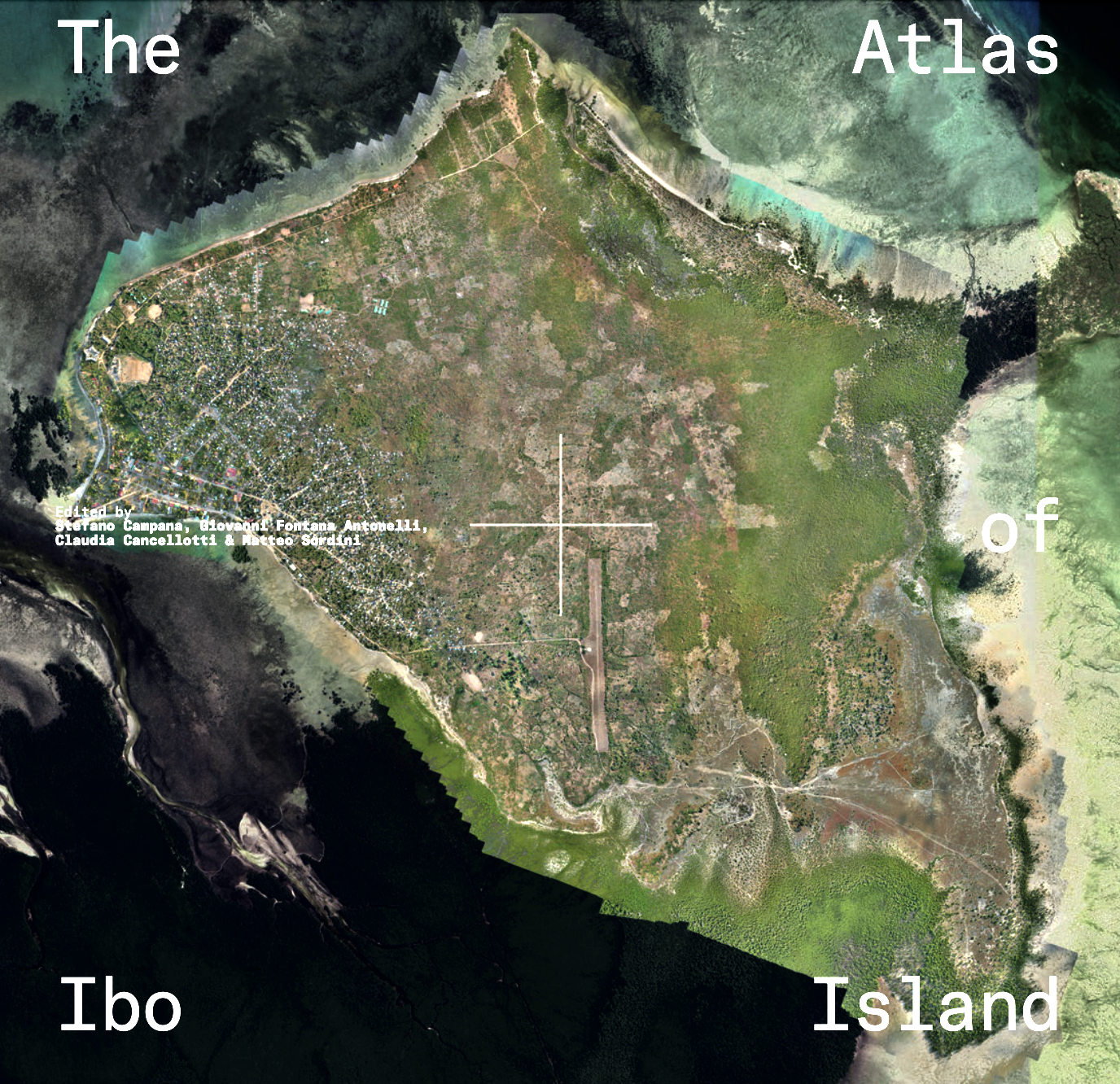
The Atlas of Ibo Island, in the Quirimbas Archipelago in northern Mozambique, is the result of a project focused on protecting the island’s cultural and natural heritage, which is threatened by climate change and displacement caused by armed conflicts in the region.
Heritage communities worldwide face pressures from e.g. development, climate change, and conflict — and many remain unheard. OurWorldHeritage helps bring their stories to global attention, where visibility can make a real difference.
If you can share a story, even a short update or photo is enough. It doesn't need to be perfect, and we will help.
Your stories help us advocate on global platforms for the systematic inclusion of community voices in international heritage discussions, such as:
→ OWH Statement at the 47th World Heritage Committee
Citizenship in Practice: Culture, Agency & Public Imagination explores citizenship as a lived cultural practice. The inaugural issue features a conversation with Alix Collingwood, highlighting the transformative role of cultural agency in creating more inclusive and imaginative civic futures through reflections on grassroots initiatives and collaborative practice.
Small Settlements in China: Heritage, Forms, and Counterstories examines the rediscovery and transformation of China’s historic villages, revealing how policies and planning have reshaped rural landscapes over the past twenty years.
The 2nd International Conference of RelicS Studies will take place from 24 to 26 September 2026 at the University of Évora, Portugal, within the framework of the research project Holy Bodies.
Cultural Heritage, Tourism, and Territory is an international online course taught in Spanish, focused on the design and management of projects with territorial impact. The course is organised by FLACAM and Fundación CEPA.
Athabasca University and Parks Canada developed a 14 weeks course on World Heritage Resource Management starting in January. The course explores the fundamental concepts and procedures used to identify, protect, and conserve World Heritage sites.
Harnessing Horses is a new open-access book that explores human–horse relationships across time and place, closed by a chapter that calls to recognise traditional horse breeds as living cultural heritage.
George Town World Heritage Incorporated (GTWHI) advertises an Intensive and Pragmatic internship training on World Heritage Site Management for graduate program students or recent holder.
How has the expanded concept of authenticity in the Nara Document on Authenticity (1994) shaped conservation and restoration worldwide?
Moving African Landscapes Vol. 1 is a pioneering interdisciplinary exploration of African landscapes as lived, remembered, and imagined spaces, edited by Tokie Laotan-Brown.
The Atlas of Ibo Island, in the Quirimbas Archipelago in northern Mozambique, is the result of a project focused on protecting the island’s cultural and natural heritage, which is threatened by climate change and displacement caused by armed conflicts in the region.
#2021DEBATE