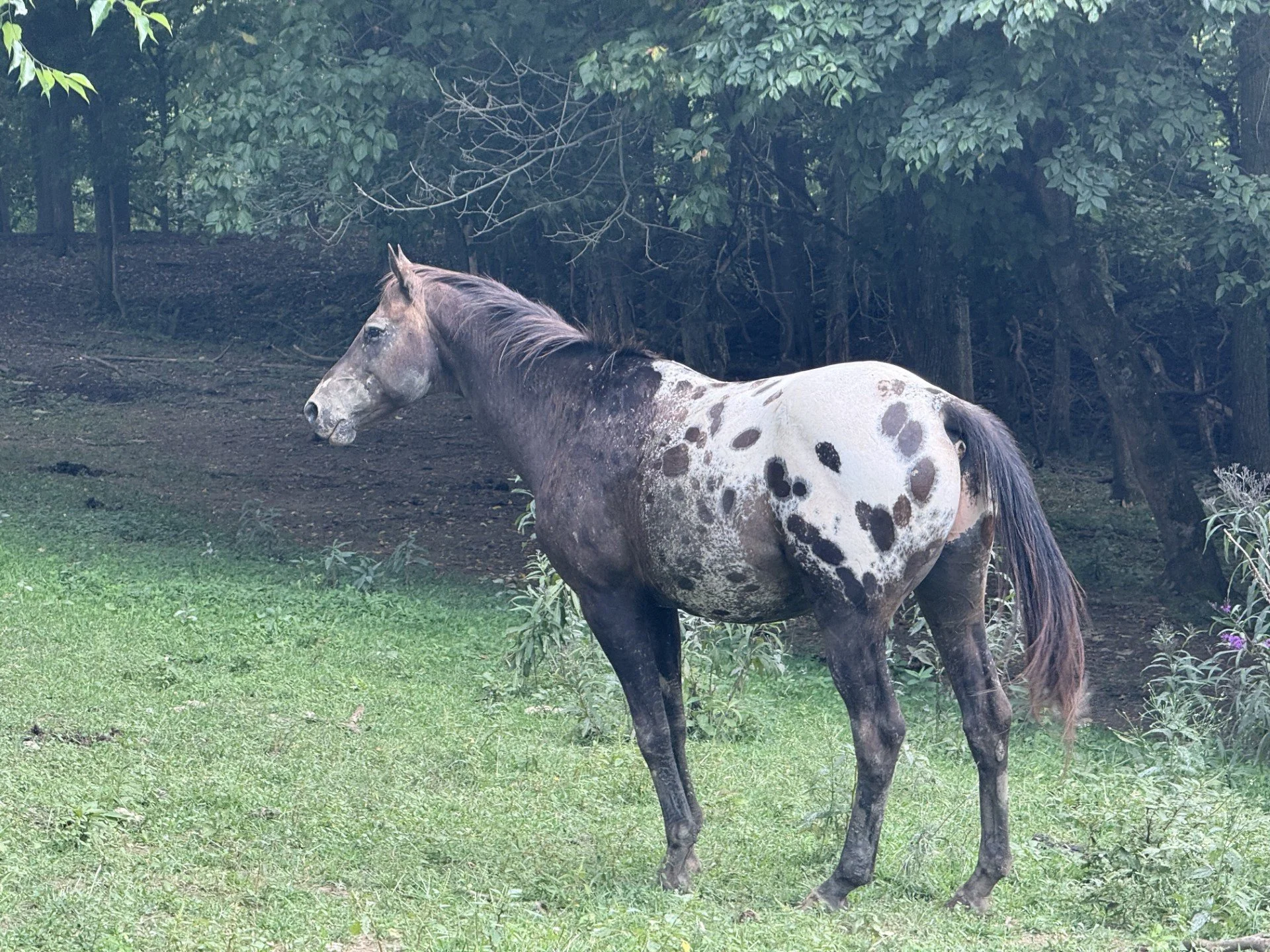
Celestial Horse stallion “Okalijah” in his natural setting. He is 5 years old and stand 16.1 hands tall. ©WHAGR archive, exclusivelly for OWH
The heritage that deserves protection is not limited to architectural monuments, archaeological sites, artistic collections, landscapes, customs, or traditions. Many living, metabolizing organisms are also the result of long-term human activity. In fact, all domestic animals fall into this category. They are often dismissed as mere “farm animals”—economic commodities, sources of energy or production—and the discussion ends there.
Yet humans have shaped their environment throughout the long history of human–environment interaction (niche construction theory), transforming living organisms according to their needs, technological capacities, aesthetic ideals, and ethical values. In many domesticated species, these transformations are clearly visible and legible, having unfolded over thousands of years. Such organisms thus become historical and archaeological sources in their own right—most notably traditional horse breeds. They are embedded in local ecosystems, participating in long-established energy balances and ecological relationships.
In many regions, specific breeds and animal species are protected under heritage legislation. Knowledge systems, cultural practices, and skills associated with them may even be inscribed on UNESCO’s World Heritage Lists. Nevertheless, these living heritage assets are increasingly under pressure from a modern, commercialized, and over-industrialized society.
Globally, one domestic animal breed disappears every day. Local bee populations are vanishing, Mediterranean donkey breeds are declining, cattle uniquely adapted to regional conditions are being replaced, traditional horse breeding programs are being abandoned, and locally rooted crop varieties are supplanted by commercial hybrids.
Despite these alarming trends, there are organizations composed of experts, practitioners, and committed activists who—often without public subsidies and frequently in isolation—continue to fight for the survival of endangered species and breeds.
World Heritage Animal Genomic Resources (WHAGR)
Among these organizations is World Heritage Animal Genomic Resources, which
“is a nonprofit heritage breed conservation organization and living archive where ancient genetics meet future resilience. Since 1993, WHAGR safeguards endangered heritage livestock and rare animal genetics across continents, conserves not merely genetics but entire systems of knowledge, cultural identity, and ecological function. Through transparent, measurable biodiversity conservation that transforms landscapes into productive assets, WHAGR provides authentic ESG solutions, protects irreplaceable genetic libraries, restores climate-resilient agricultural systems, and empowers communities as conservation stewards. This is conservation diplomacy in action, proving that some things remain sacred when we choose to protect them together.“
WHAGR further explains:
“WHAGR redefines Heritage Breed conservation by recognizing that endangered Heritage Breeds, threatened landscapes, and cultural heritage are inseparable.
We don't simply isolate rare genetics in sterile facilities—we maintain living conservation herds preserving adaptive traits and ecological function. This integrated conservation model protects biological infrastructure and entire systems: genetic diversity that ensures climate adaptation.
Our approach delivers what fragmented conservation efforts cannot—measurable biodiversity outcomes, climate resilience and empowered communities preserving their own cultural heritage for present and future generations.”
(See the WHAGR ESG brochure)
At present, WHAGR’s pilot program focuses on the protection of the Celestial Horse. This unique horse breed traces its origins back to the Bronze Age. Across Eurasia, these horses were regarded as messengers of the heavens, mediators between the divine and the human world.
Living Organisms as an Integral Part of Heritage Landscapes
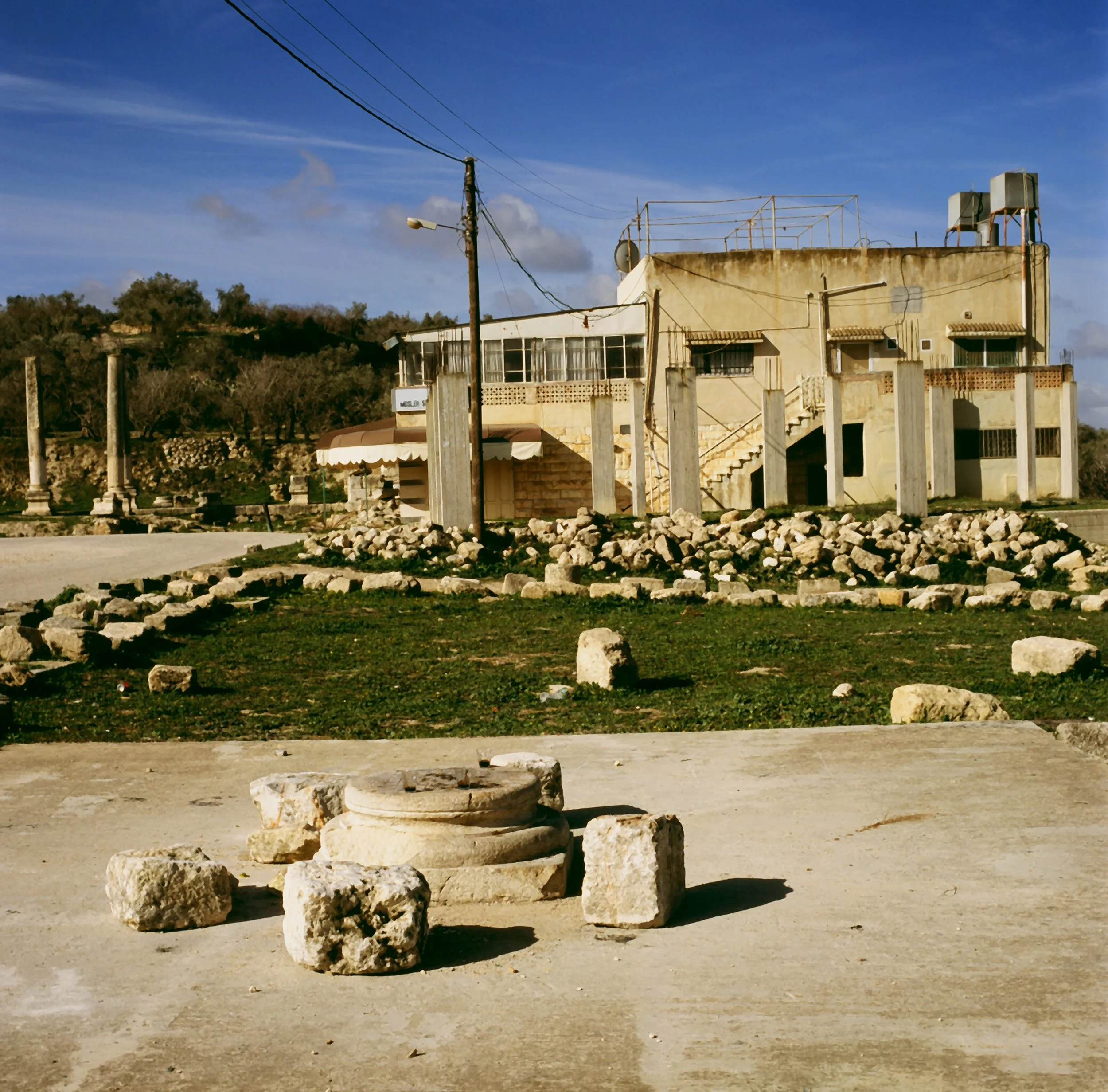
Local communities striving to protect cultural monuments and preserve landscape integrity should not forget that living organisms—and humans themselves—inhabit and co-create these landscapes. Together, they form a single heritage complex. We cannot, for example, protect an archaeological site while remaining indifferent to the local sheep breed grazing nearby or the traditional olive trees shaping the land.
Protecting domestic animals and cultivated plants is therefore an integral part of the struggle for healthy, resilient landscapes that benefit all forms of life—and ultimately for a better world for all living beings.
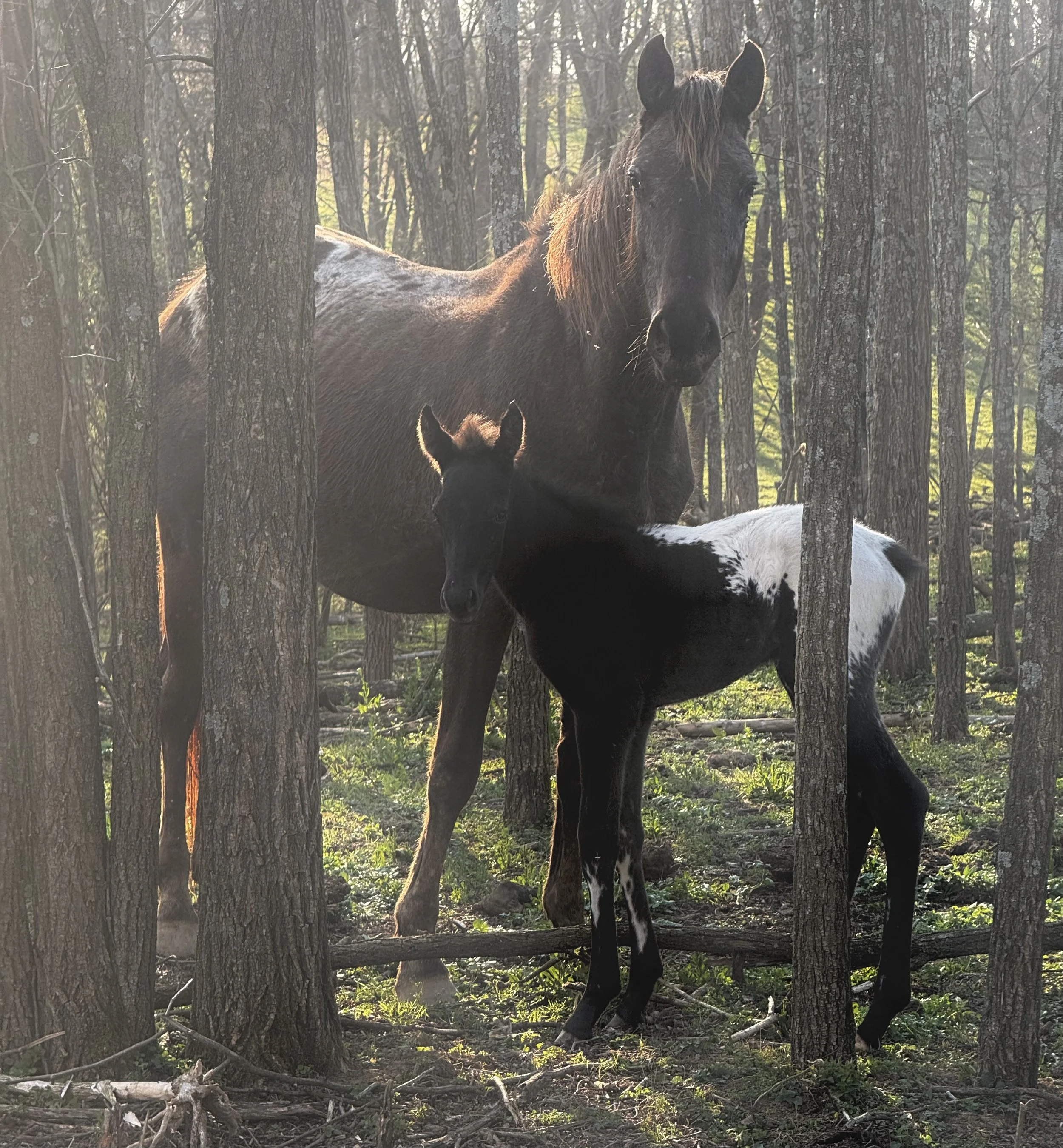
Celestial Horse mare “Omega" and her 2026 filly foal a hour or so after foaling in their natural pasture. She is 6 years old and stands 16 hand tall. ©WHAGR archive, exclusivelly for OWH
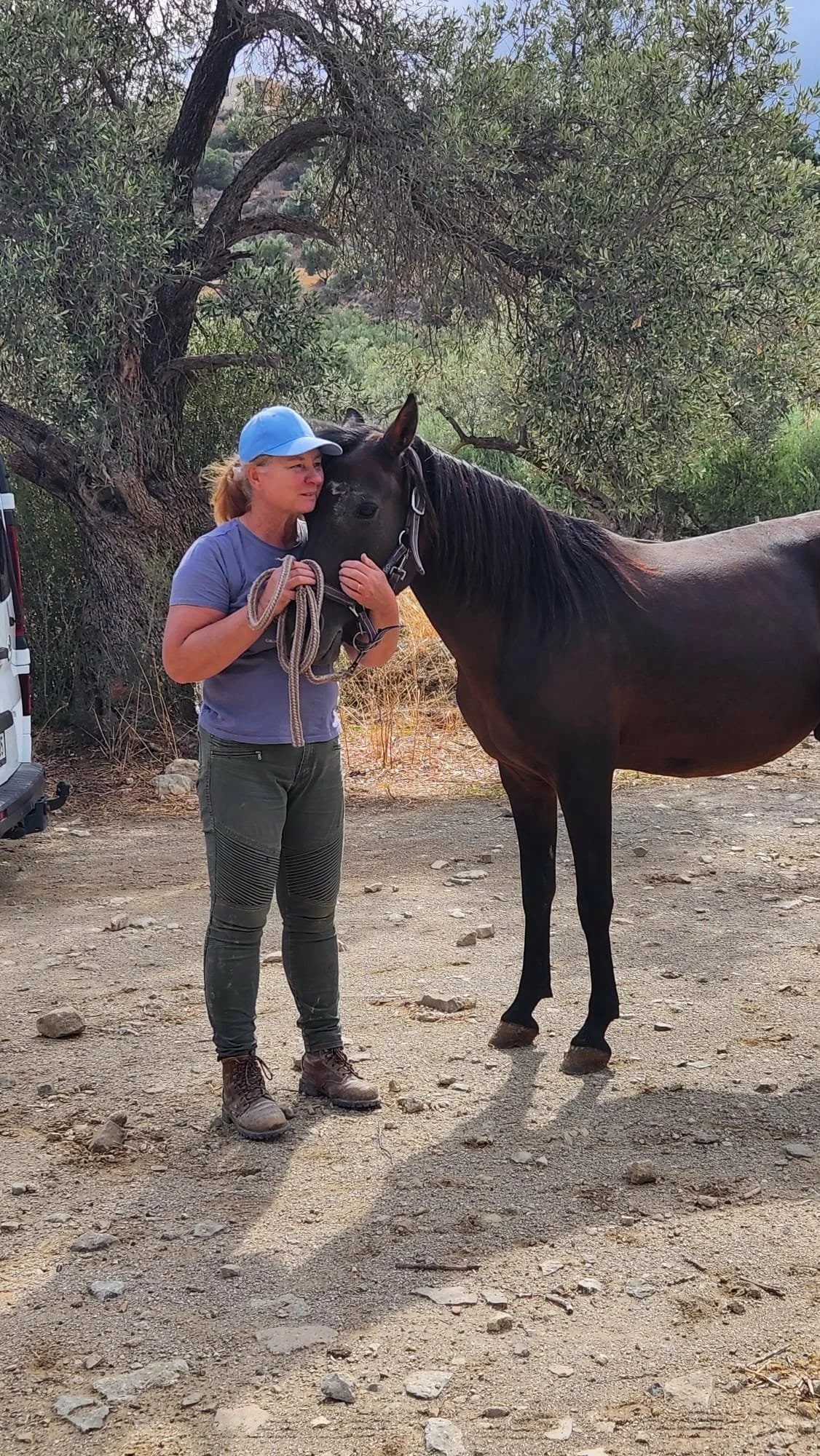
Vera Klontza Jaklova on a mission to save the historic Cretan horse breed. @author’s archive