Part of the series of International Seminars on Heritage Interpretation and Presentation for Future Generations, this event is hosted by Seoul National University (Institute of International Studies) and Koç University.
The seminar is scheduled for 23 November 2026 to take place at the Research Center for Anatolian Civilizations (ANAMED), Koç University, Türkiye.
It is also available on live broadcast.
More info here.

Further Reading:
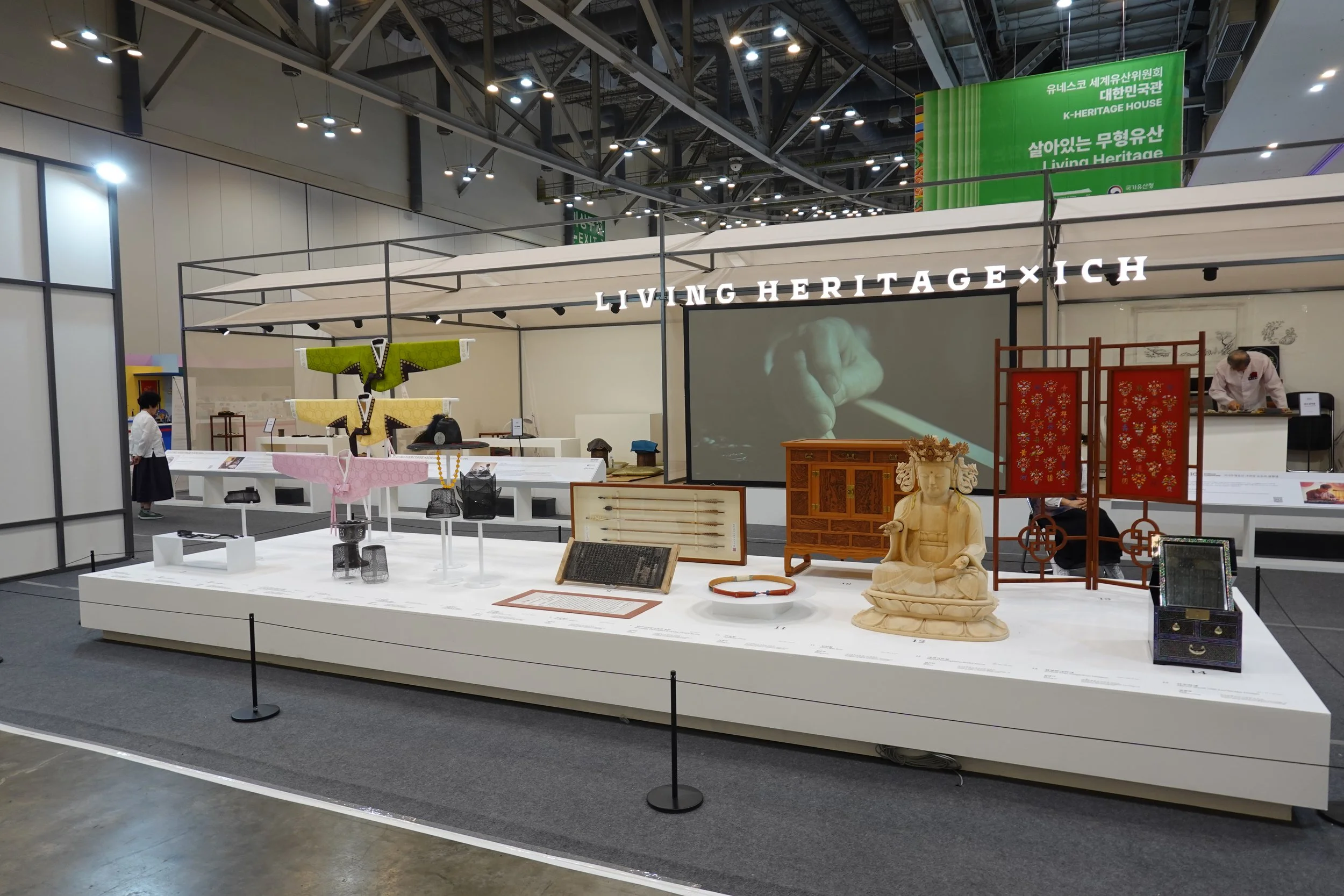
The 48th World Heritage Committee in Busan (July 19-29) showcased “K-heritage,” pairing plenary sessions with side events, the public K-Heritage House expo, and the “Hexagram 22” performance, placing citizens at the centre and celebrating living heritage directly with the public.
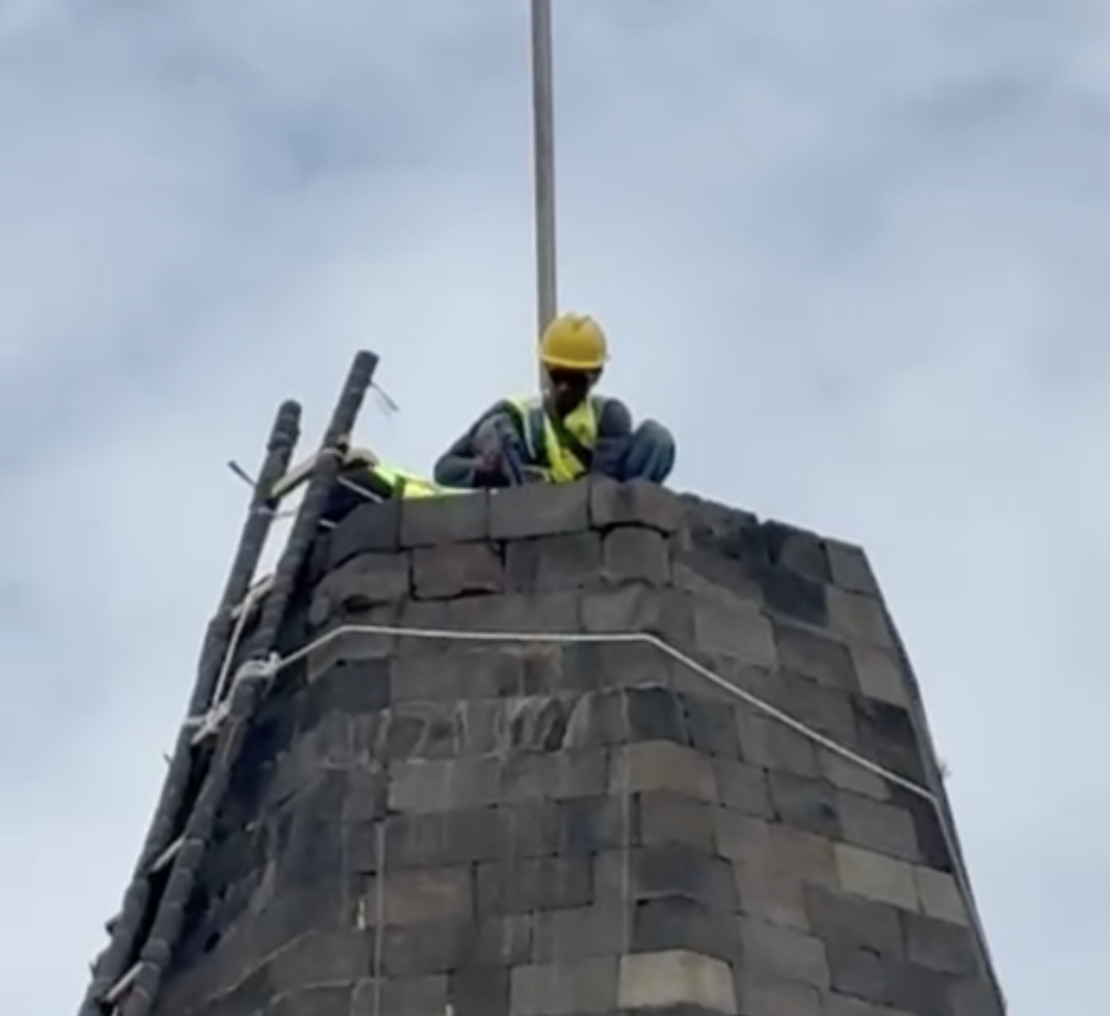
Indonesia plans to install a gold-plated bronze chattra atop Borobudur’s main stupa by 2026, framed as “adaptive intervention” for living heritage. Critics cite missing independent impact assessment, structural, seismic and corrosion risks, weak reversibility guarantees, and possible UNESCO “In Danger” listing.
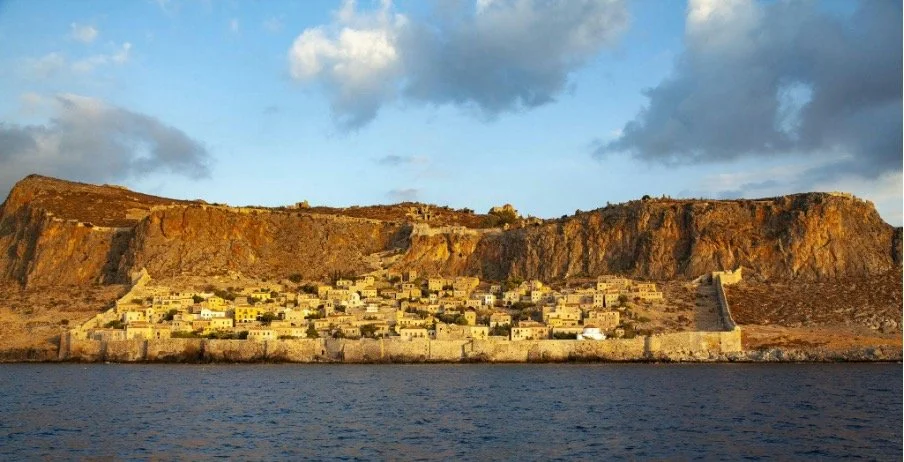
A resident and heritage professional critiques an EU-funded consultation in Monemvasia: generic software, placeholder data, and a rushed 20-minute Q&A reduce participation to ritual, while what is needed is spatial rigor, transparent data, and residents as co-designers from day one.
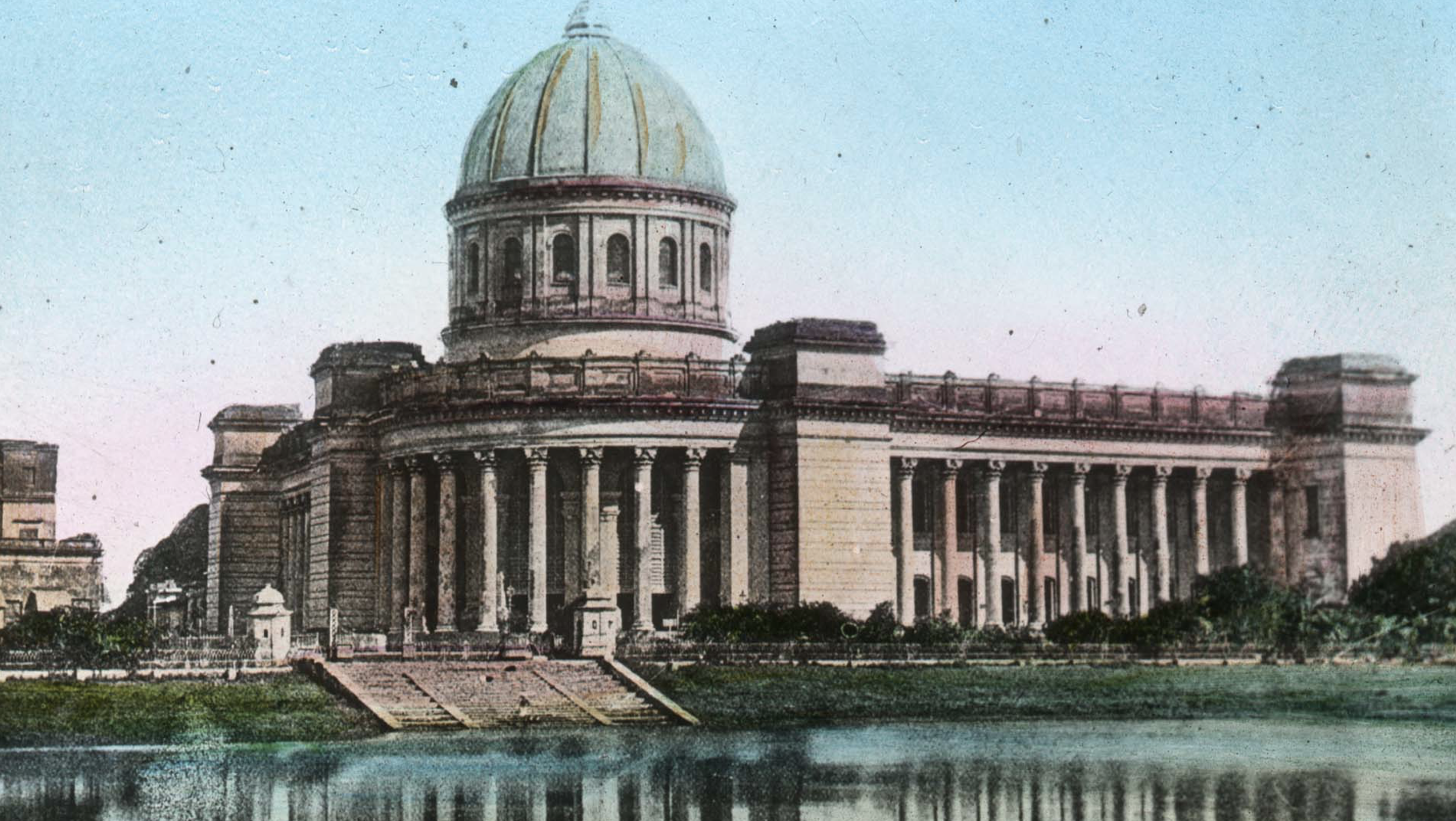
A September 2026 “Delivering Heritage” round table at WUD Sonipat questioned whether policy, co-management, or trusts can empower precinct residents, proposing a model consent clause, a documentation working group, and a February 2027 symposium.
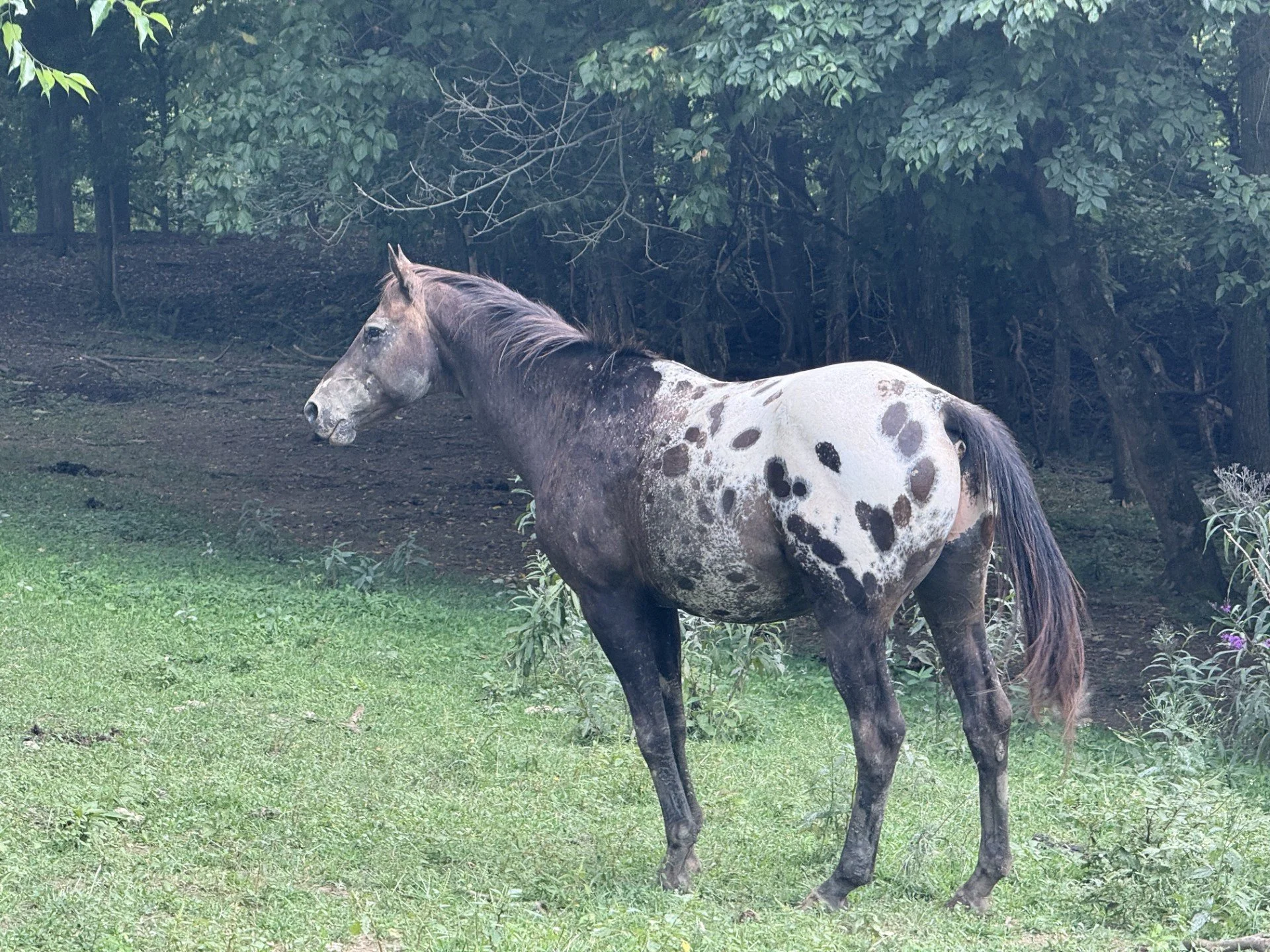
Domestic animals, shaped by millennia of human activity, are living historical sources deserving heritage protection, yet breeds vanish daily under industrialization. Organizations like WHAGR, protecting the Bronze Age Celestial Horse, conserve breeds within their landscapes, since animals, plants, people, and monuments form one inseparable heritage complex.