IFLA's Guiding Landscapes 2025: From Nantes to a Sponge Planet
by Mechtild Rössler and Pierre Marie Tricaud
In September 2025 1400 people gathered in engaging sessions on landscape and territories at the International Federation of Landscape Architects (IFLA) World Congress in Nantes (France). The theme “Guiding Landscapes” brought together many students, researchers, landscape architects and practitioners. All experienced the city of Nantes as an exceptional green space, as a surprising nearly 50 % of the city’s surface is covered by vegetation!
In diverse panels and small groups, we reflected on different ways landscape architects can help to guide a better future for people and the planet. Discussions on living urban environments and rural landscapes, emerging challenges for communities in new climate change and conflict realities.
The panel “territories in transition” gave a glimpse into landscape evolution and (literally) burning questions for communities, discussing increasing fires in rural landscapes no longer managed by communities (due to migration into the cities and cost of maintenance) and without proper water management. Prof. Kongjian Yu (China), who coined the term ‘sponge city’ called for a ‘sponge planet’ to keep our globe a living one, especially with rising sea waters, extreme weather events and other climate change impacts. He will be deeply missed, as he died a week later when his plane crashed in the World Heritage site of the Pantanal, Brazil. A crew was producing a film about his exceptional life and contribution to global ecological civilization. We hope that his work will be continued globally to inspire many communities.
In Freiburg, Germany, in several local quarters, his ideas are applied for some time with the implementation of the ‘Schwammstadt Konzept’ (sponge city concept). Actions take place with communities (www.freiblocks.de) to remove tar surfaces, for example for parking spots to allow for green spaces, reduce temperatures, bring back biodiversity and living areas for communities to meet. Exchanges with other groups such as the ‘Asphalt crackers’, an activist group from Zürich (Switzerland), to reclaim urban space for nature have also taken place. Other European cities, such as Paris (France), Leuven (Belgium) or Eindhoven (Netherlands), implement de-paving projects to allow rainwater to infiltrate the ground, increase vegetation and combat the urban heat island effects. In a recent strategic plan, the Institute Paris Region has proposed the concept of a sponge city for Ho Chi Minh City, Vietnam, a place prone to land sinking and sea level rise.
The exchanges between well-known experts, young people and practitioners from different parts of the world provided for lively exchanges and discussions on new opportunities our urban and rural environments hold for the future. It is an inspiration for many communities around the world and can enhance expert-citizen collaboration on the ground.
Links
IFLA congress with programme and abstract booklet: https://ifla2025.com/, next congress: https://ifla2026.com/
Community web-page of Freiblocks Freiburg https://freiblocks.de/
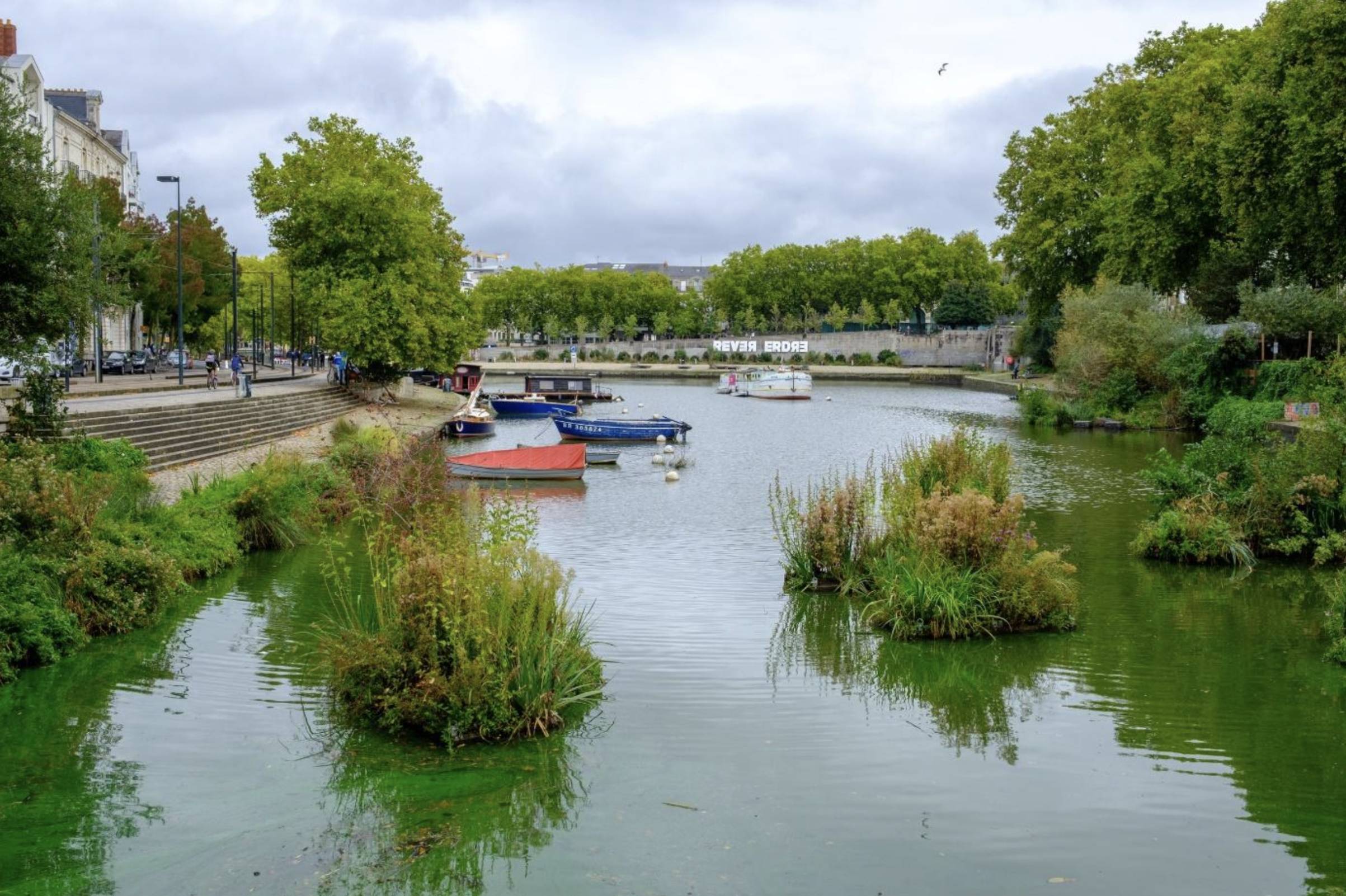
Floating gardens at the river Erdre in Nantes © Patrick Garçon, Nantes Métropole, France
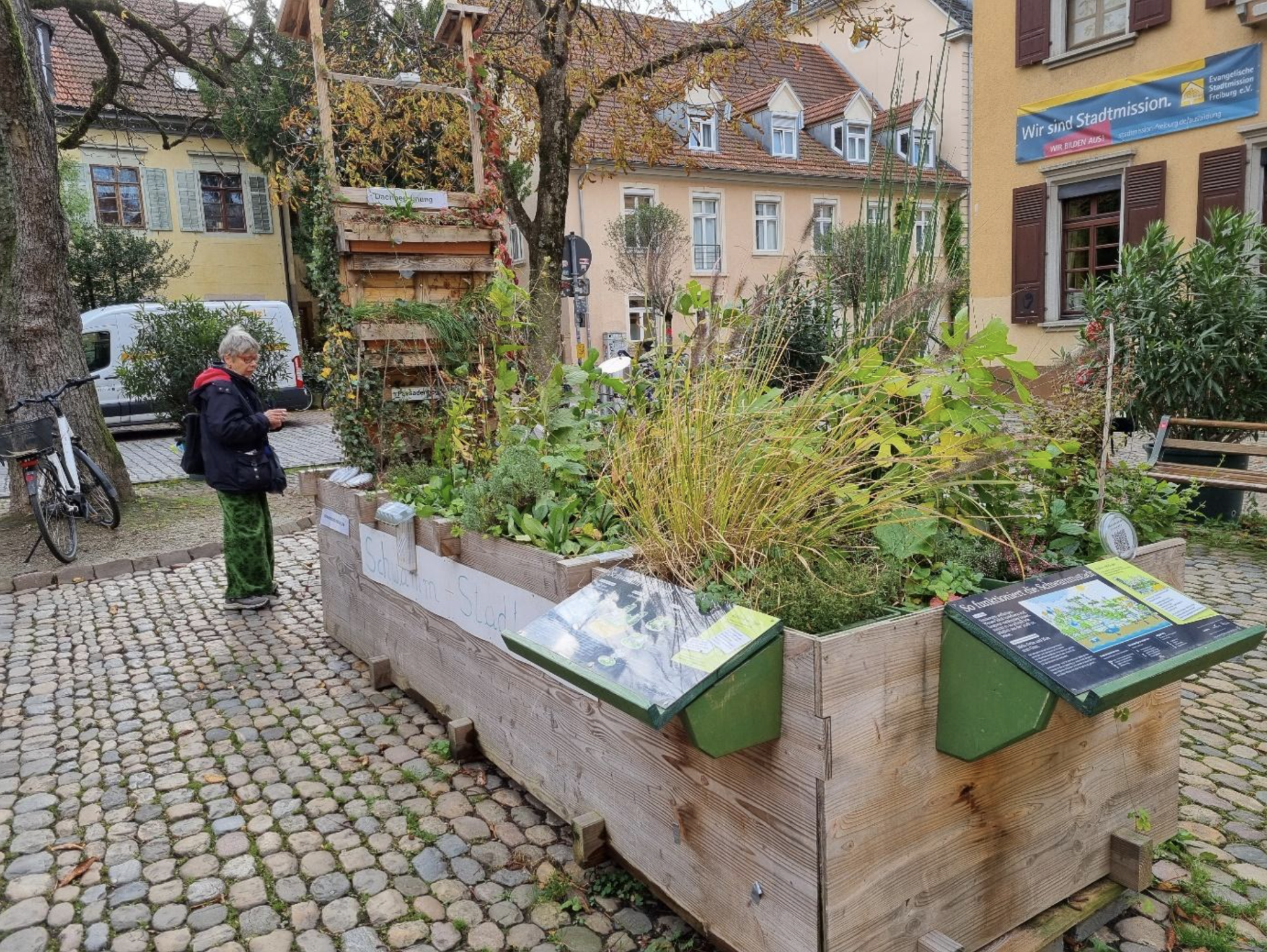
The concept of the sponge city explained in a model in Freiburg, Germany © Mechtild Rössler