What’s Happening with the White House East Wing?
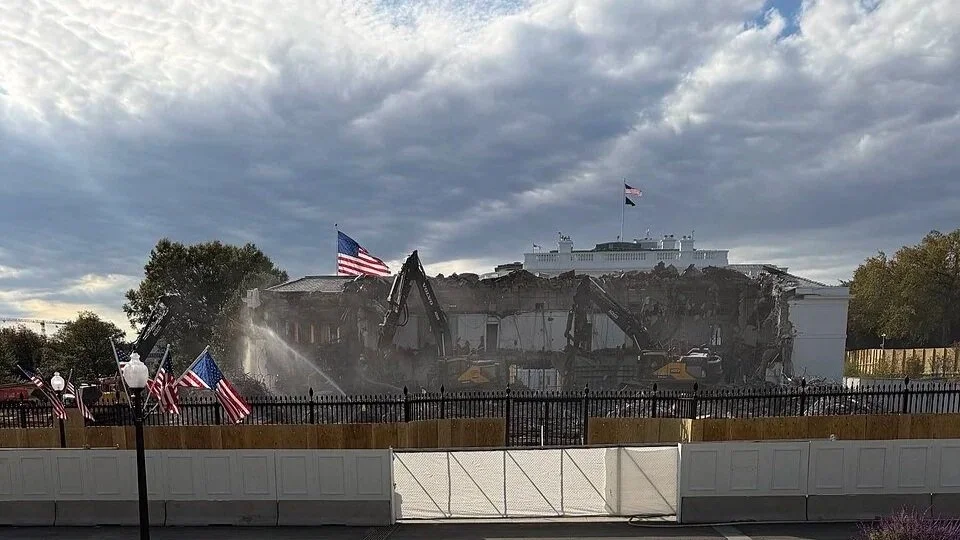
Three excavators demolish the East Wing of the White House on October 21, 2025. [U.S. Department of the Treasury (public domain) via Wikimedia Commons]
The U.S.A. is engaged in a heated debate over the demolition of the White House East Wing to make way for a new federal ballroom. Critics argue that tearing down this historic structure erases an important part of America’s heritage, while supporters claim the project will modernize the presidential complex.
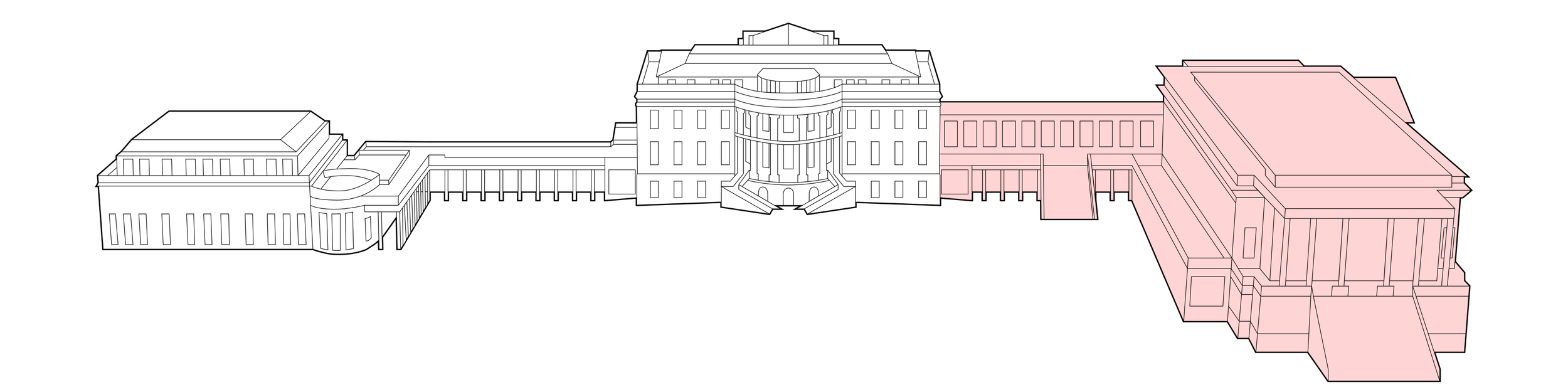
White House and new East Wing November 2026 [Hstoops, CC0 1.0, via Wikimedia Commons]
For background on the controversy and what it means for preservation, start with this overview of the planned demolition in the Los Angeles Times. For a more emotional reflection on what’s being lost, read this ode to democracy in the Living Landscape Observer. You can also dive into the official facts about the East Wing’s origins and role from the White House Historical Association.
Historic preservation groups aren’t sitting on the sidelines. The National Trust for Historic Preservation has filed a lawsuit to halt further construction of the ballroom, emphasizing the cultural value of the existing building and demanding that the project be submitted to the National Capital Planning Commission for review in order to protect the iconic historic features of the White House campus as it evolves. Public engagement has been strong. Public Citizen organized a public demonstration at the first public hearing to stop the construction.
Whether you see this project as progress or loss, understanding the facts and concerns of this unprecedented rapid demolition of a historic property helps inform the national conversation about how we preserve (or remake) historic places.