The “Canada Strong” initiative increased national pride and domestic tourism, underscoring the need for federal legislation to protect Canada’s historic sites, which Heritage Ottawa advocates to preserve heritage and strengthen national identity while delivering social and economic benefits.
By Leslie Maitland and Hunter McGill from Heritage Ottawa
In the spring of 2025, Mark Carney, former Bank of England and Bank of Canada CEO, was elected Prime Minister of Canada. Vowing to build a stronger nation in the face of threats posed by the Trump administration, Mr. Carney quickly declared “Canada Strong” as the theme for accomplishing economic and cultural renewal. He immediately made Canada’s National Parks and National Historic Sites free to enter. The program was a success: Canadians curbed foreign travel, especially to the United States, in favour of staying home to visit and celebrate our parks and historic places. The idea was so popular that many of the provincial governments followed the federal example and made their parks and sites free to visit as well. And Canadians went, in droves!
This highlights a wonderful opportunity: why not further celebrate Canada by enacting federal legislation to protect federally-owned heritage properties? Legislation that ensures the use and rehabilitation of heritage places will generate social cohesion, national pride, economic benefits and jobs.
It may seem odd that there is no federal legislation to protect federally-owned heritage properties; most Canadians assume that such protection already exists. In fact, the last session of Parliament before the most recent federal election had draft legislation ready to go to committee for study. But it died on the order papers. Now is the time to revive it.
Why now? Without legislative protection, Canada’s treasured national historic sites under federal stewardship remain vulnerable to inappropriate interventions, neglect or disposal. Shamefully, the historic property set aside to house the Prime Minister, 24 Sussex Drive, for example, is now a hollowed-out ruin.
Heritage Ottawa is a community-based voice for understanding and conserving heritage buildings and landscapes in the nation’s capital. Together with the National Trust for Canada, we are approaching parliamentarians to revive the push for federal heritage legislation. We are proposing a results-oriented Act which would ensure the conservation of Canada’s national monuments by codifying in law the following:
A process to review any proposed interventions affecting these historic places. A process currently exists through the Federal Heritage Review Office, but the process needs to be enshrined in law and it must include sites not currently covered such as the national museums;
Adherence to The Standards and Guidelines for the Conservation of Historic Places of Canada;
Retention of historicplaces.ca, a national inventory of federal, provincial, and territorial historic places which the federal government is now proposing to abandon;
Adherence to the conditions of UNDRIP, by respecting the conditions laid out by the Truth and Reconciliation Commission, which so far the federal government has not done with respect to Inuit, First Nations and Métis peoples’ history and commemoration;
Updating the legislation with respect to the historic canals, including the Rideau Canal World Heritage Site, which currently operate under outdated legislation;
Protection for marine archaeology sites where the federal government has jurisdiction.
Canadians have been loud and clear on their desire to protect and promote the historic places that they hold dear. Strengthening Canadian identity and sovereignty depends on preserving and promoting Canadian heritage. It is now time for the Parliament of Canada to step up.
Who is Heritage Ottawa
Heritage Ottawa is the largest not-for-profit advocating for the protection of federal heritage properties in the National Capital Region, which is the cities of Ottawa and Gatineau and the surrounding region. The National Capital Region is located on the traditional and unceded territory of the Anishinaabe people. Canada’s most iconic national historic places are located here: the Parliament Buildings, the National War Memorial, and the suite of national museums which commemorate Canada’s history, achievements and challenges.
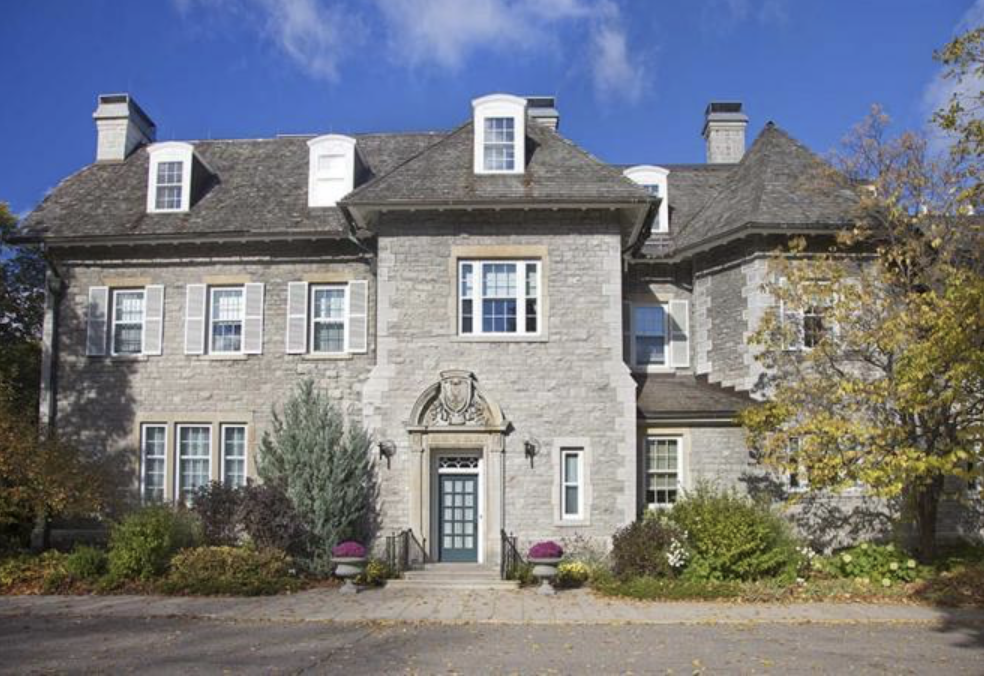
24 Sussex is the designated Official Residence of the Prime Minister of Canada. Due to decades of deferred maintenance, it is now uninhabitable, and its heritage values are threatened @ the National Capital Commission / La Commission de la Capitale Nationale
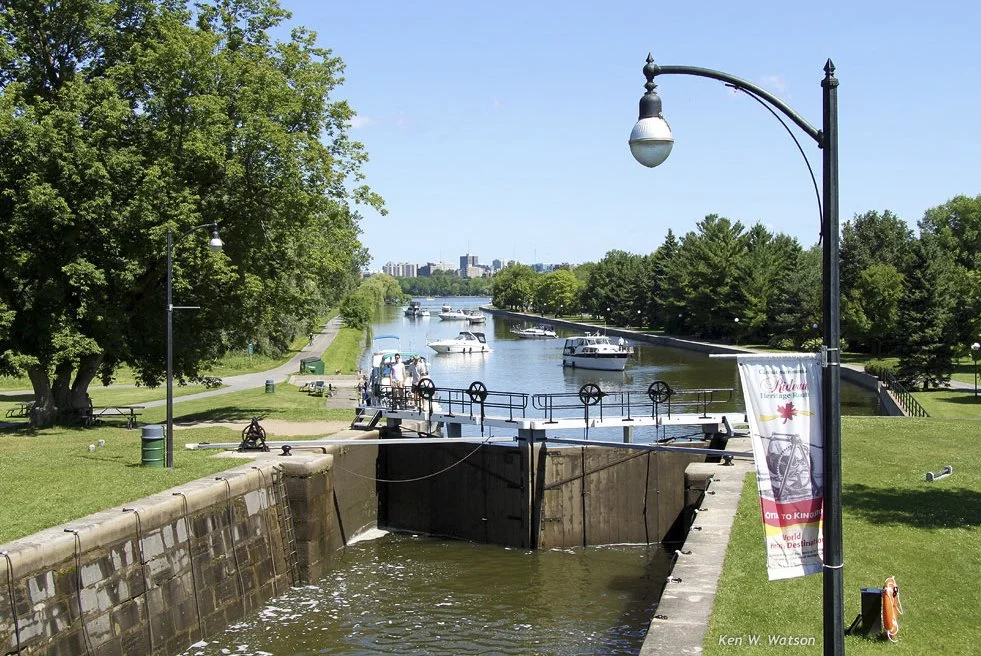
Rideau Canal World Heritage Site is operating on long-outdated regulations, and is under constant threat of inappropriate development in its proximity, which UNESCO has noted. @ Ken Watson, Friends of the Rideau