
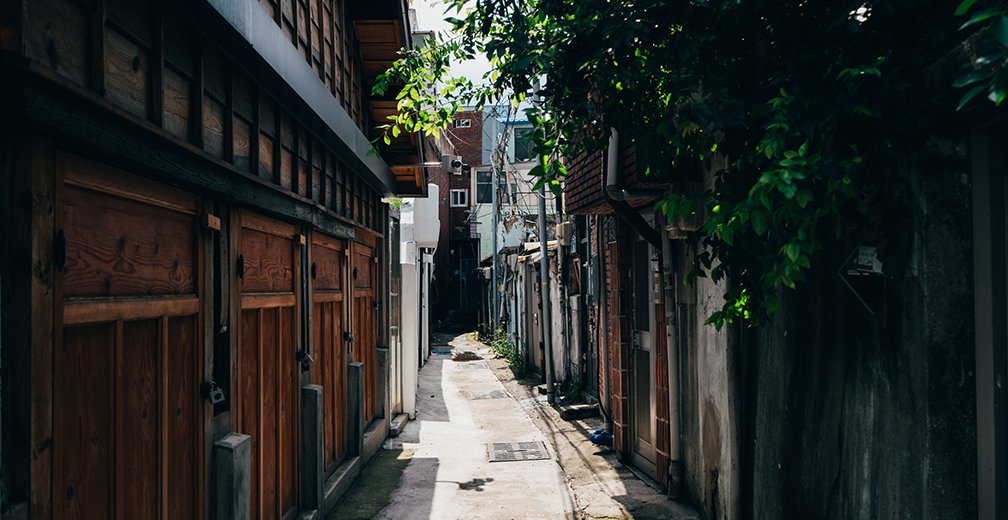
Wartime Capital Busan as a Laboratory for Peace-Building: The Power of Local Actors
Wartime Capital Busan serves as a contemporary laboratory for examining how local actors shape peace-building through heritage-making in post-conflict urban settings. This presentation analyses the evolving heritagisation of Korean War–related sites in Busan to demonstrate how non-state actors—particularly local experts and community groups—mediate memory, negotiate narratives, and influence institutional decision-making in ways that advance peace-oriented urban governance. Local experts initiated the reframing of wartime remnants, including refugee settlements and provisional government facilities, as assets for reconciliation and international dialogue, thereby setting the intellectual foundations for the city’s World Heritage nomination. Community actors in places such as Ami-dong Tombstone Village and Uam-dong Cattle Shed Village activated grassroots memory practices, asserted ownership over difficult histories, and challenged selective official narratives, which collectively pressured municipal authorities to adopt more participatory and inclusive heritage strategies. These interactions reveal that peace-building is not merely a state-led endeavour but a multi-scalar, socially embedded process in which diverse local actors play generative roles. The Busan case shows that when heritage governance integrates community memory, expert knowledge, and institutional support, urban heritage can become a platform for coexistence, dialogue, and sustainable peace.
Program (in local time, click link for your timezone)
17.00 – 17.30
Tea (in person)
12.00 – 17.35
Introduction and Context Setting
By Dr. Shikha Jain, Dronah Foundation, organiser of the Indian Historic Cities Series
17.35 – 18.05
Special Talk
By Dr. Jihon Kim, Chief of Policy, UNESCO Agenda and Policy Centre, Korean National Commission for UNESCO
18.05 – 18.40
Panel Discussion
Dr. Mukta Naik, Fellow. Sustainable Futures Collaborative (Moderator), Dr. Yaaminey Mubayi, Faculty, SPA Delhi; Ms. Ananya Bhattacharya, CEO, Banglanatak.com and Exec Committee Member, ICOMOS India; Prof. Akshay Kaul, Landscape Architect.
18.40 – 19.00
Q&A
19.00 – 19.30
Curated walk through the exhibition (in person)
Access
IN PERSON:
Conference Room near Visual Arts Gallery, India Habitat Centre, Delhi
ONLINE:
Enter here > ZOOM (Meeting ID: 892 4121 0002, Passcode: 870331)
Convert your time here > 12.00 – 13.30 UTC
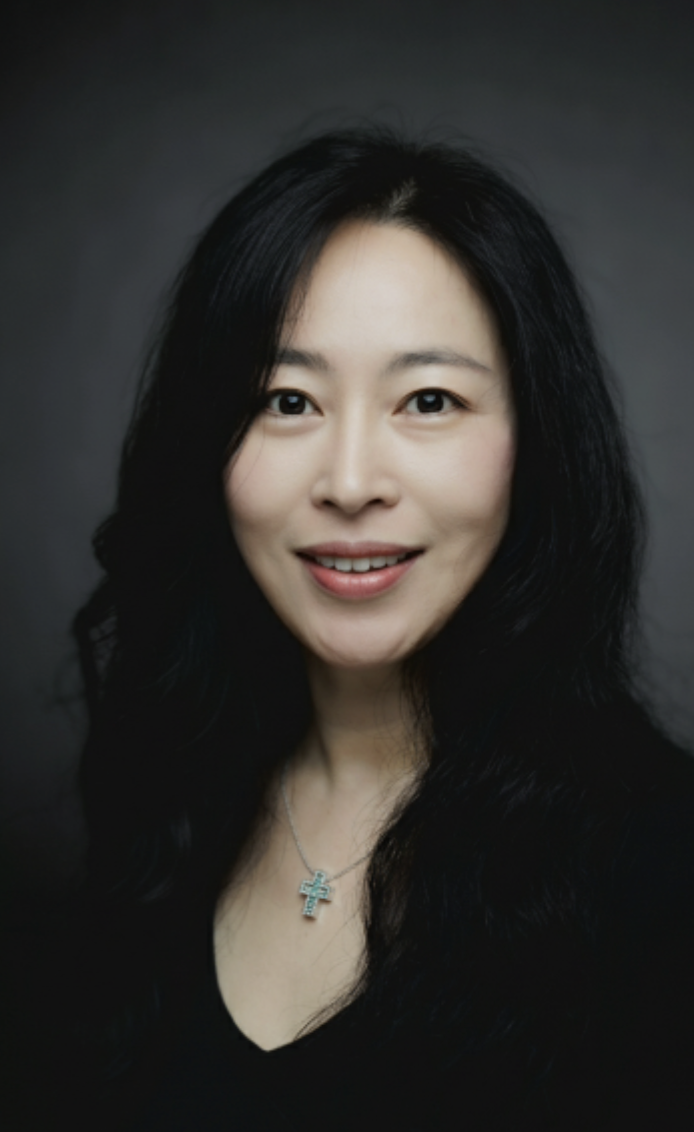
Dr. Jihon Kim is Chief of Policy, UNESCO Agenda & Policy Centre, Korean National Commission for UNESCO, where she has worked for almost 20 years, taking charge of work concerning international cultural heritage conventions as well as managing various international research and development projects. She has been teaching heritage law and policy at Sungkyunkwan University and Konkuk University as an Adjunct Professor since 2016 and conducting research on conflicts over heritage issues at Seoul National University as a Research Fellow in the Institute of International Studies. She is a former Fulbright Visiting Scholar at Harvard University Asia Center and a Research Fellow at the International Institute for the Unification of Private Law (UNIDROIT). She served as a diplomat at the Permanent Delegation of the Republic of Korea to UNESCO as well. She received her B.A. in Archaeology and Art History and her M.A. and Ph.D. in International Studies from Seoul National University. She has written many books and articles on international cultural heritage law and civil society, including the book "Non-State Actors in the Protection of Cultural Heritage" published by Springer.